

Upcomming Events
-
27Aashadha
-
28AashadhaPradosh Vrata tomorrow
-
29AashadhaBhanu Jayanti 2 days remaning
-
31AashadhaWorld Youth Skill Day 4 days remaning
-
1ShrawanSaune Shankranti/Luto Falne Din/Dakshinaayan Arambha 6 days remaning
-
5ShrawanSurya Pooja 10 days remaning
-
6ShrawanBudhastami Vrata/Gorakhkali Puja 11 days remaning
-
9ShrawanHarishayani Ekadashi Vrata/Chaturmaas Vrata Aarambha 14 days remaning
-
10ShrawanPradosh Vrata 15 days remaning
-
12ShrawanWorld Hepatitis Day 17 days remaning
-
13ShrawanGuru Purnima Vrata/Vyas Jayanti/World Tiger Day 18 days remaning
-
14Shrawan
-
15ShrawanKhir Khane Din 20 days remaning
-
16ShrawanWorld BreastFeeding Week 21 days remaning
-
18ShrawanVitak Katha Prarambha 23 days remaning
-
21ShrawanGorakhkali Puja 26 days remaning
-
23ShrawanNational Soil Conservation Day 28 days remaning
-
24Shrawan
-
25ShrawanSom Pradosh Vrata 30 days remaning
-
26ShrawanGathāṃmugaḥ Caḥhre 31 days remaning
-
27ShrawanInternational Youth Day 32 days remaning
-
28ShrawanGunla Parwa Arambha/World Calligraphy Day 33 days remaning
-
30ShrawanVaraha Jayanti 35 days remaning
-
1BhadraNag Panchami Barta/Tharu Guriya Parwa/Singh Sankranti 37 days remaning
-
2BhadraKalki Jayanti 38 days remaning
-
3BhadraTulasidas Jayanti/National Information Day/World Photography Day 39 days remaning
-
4BhadraGorakhkali Puja 40 days remaning
-
7BhadraPutrada Ekadashi Vrata 43 days remaning
-
9BhadraPradosh Vrata 45 days remaning
-
12Bhadra
-
13BhadraGaijatra/International Day Against Nuclear Tests 49 days remaning
-
14Bhadra
-
15BhadraNational Library Day 51 days remaning
-
16BhadraMangal Chauthi Vrata 52 days remaning
-
18BhadraGaura Saptami 54 days remaning
-
19BhadraShree Krishna Janmashtami/Gaura Parva/Gorakhkali Puja/Durwashtami 55 days remaning
-
20Bhadra
-
22BhadraAja Ekadashi Vrata/Nijamati Sewa Diwas 58 days remaning
-
23Bhadra
-
25BhadraWorld Suicide Prevention Day 61 days remaning
Jyotish
-
Jyotish Pandit Mukunda Nepalज्योतिष पण्डित मुकुन्द नेपाल�...
-
Jyotish Smarika Acharyaबाल्मीकि बिद्यापिठ बाट ज्योत�...
-
Jyotish Vaman Sapkotaशिक्षा - व्याकरणाचार्य, पौरोही...
-
Jyotish Narayan Prasad Bhandariज्योतिषका उप-प्राध्यापक (lecturer of A...
-
 Jyotish Mukunda Sharmaस्वाध्याय, सत्सङ्ग र सदाचारजस�...
-
Jyotish Purushottam Ghimireनेपाल संस्कृत विश्वविद्यालय, �...
-
Jyotish Khageshwor Subediगुरुकुल पद्दति बाट ज्योतिषीय �...
-
 Jyotish Dharmendra Krishna Paudelशास्त्री धर्मेन्द्र कृष्ण पौ�...
-
Jyotish Mohan Ghimireसम्पुर्णानन्द संस्कृत विश्वव...
-
Jyotish Narayan Prasad Gautamगुरुकुल शिक्षा प्रणालीबाट ज्�...
-
Jyotish Krishna Prasad Bhandariउपप्राध्यापक (Asst. professor of Sanskrit) नेपा�...
-
Jyotish Hamro patroनेपाल संस्कृत विश्वविद्यालय �...
-
Jyotish Damodar Kaushikज्योतिष र व्याकरण विषयमा आचार�...
-
 Jyotish Damodar Poudelनेपाल संस्कृत विश्व बिद्यालय�...
-
Jyotish Amrit Paudelवाराणसीकै सम्पूर्णानन्द संस्...
-
Jyotish Dipendra Khatiwadaसम्पुर्णानन्द संस्कृत बिश्वब...
-
Jyotish Deepak Prasad Kafleसम्पूर्णानन्द संस्कृत विश्वव...
-
 Jyotish Kuresh Pandey११ वर्षको अनुभवसहित विभिन्न ध�...
-
Jyotish Ghanashyam Pokharelनेपाल संस्कृत विश्वविद्यालयब...


call
Hororscope
 Mesh
Mesh Brish
Brish Mithun
 Karkat
  Singha
  Kanya
Kanya Tula
Tula Brischik
 Dhanu
Dhanu  Makar
Makar  Kumbha
 Meen
Meen
मेष (चु, चे, चो, ला, लि, लु, ले, लो, अ) दिनको सुरुवात सामान्य रहनेछ, तर बिस्तारै कामले गति लिनेछ। अरूले टारेको जिम्मेवारी पनि तपाईंले सम्हाल्नुपर्ने हुन सक्छ। आफ्नो काम समयमै सक्दा मन ढुक्क हुनेछ। आजको शुभ रंग हरियो हो भने शुभ अंक ३ रहेको छ।



2082 Mangsir
3
Wednesday
Nov 19, 2025
मंसिर कृष्ण चतुर्दशी
Bala Chaturdashi Vrata (Shatbij Chharne Din)/World Toilet Day/International Men's Day
मंसिर कृष्ण चतुर्दशी

MY NOTE


Chaturdashi Shraddha
Special Audio
बालचतुर्दश्याः पुण्यं श्राद्धतर्पणपूर्वकम्।
पितृभक्त्या समाराध्यं सद्गतिर्मोक्षदायिनी॥
Meaning:
On Bālā Chaturdaśī, merit is attained by performing offerings and rites for the departed.
With devotion to the ancestors, it leads to liberation and the bestowing of ultimate peace.
Reference:
Today, Mangsir Krishna Chartudashi or Bala Chartudashi and today is considered as a very important day for the salvation journey of the deceased members of family and society.
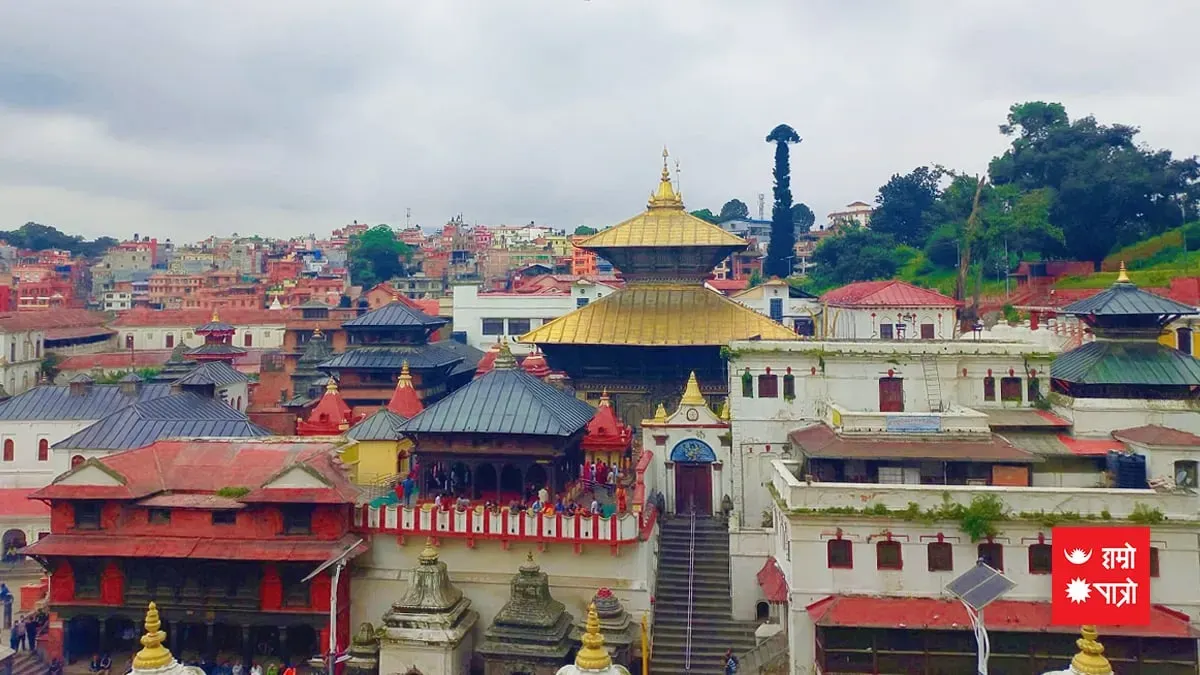
What happens on Bala Chaturdashi ?
Today, various Shakti Peeths and Triveni Dhams in Nepal and India are crowded with pilgrims scattering Shatbij. Shatavbij means seven types of grains to be sown in religious forests such as Kailash Danda, Shleshmantak forest, and other forests for ancestral salvation.
Sowing Shatbij
To sow the Shatbij, one day before Chartudashi, that is, on the day of Triodashi, it is customary to stay awake at night, light the lamp, and chant hymns without blinking one's eyes. It is believed that the seeds scattered in the world will be germinated in another world of the deceased ancestors and they will never go hungry due to these reasons.
Special fairs are held at Pashupatinath of Kathmandu and surrounding Kirateshwar, Gaurighat, Guheshwari, coast of Aryaghat, Shleshamantak forest including Chatara, Barahkshetra of Eastern Nepal, Setiveni Dham of Parbat district, Chakreshwar temple of Gulmi Santipur, Devghat Dham of Nawalparasi, Kshireshwar of Dhanusha and Shivalayas and Triveni Dhams.
The most interesting context today is related to the idol of Ganesha next to the Pashupati Vishwarupa temple. The idol of Ganesha is considered as a symbol of the deaf ear and therefore the devotees try to make the idol hear by shouting, yelling, and shaking loudly.
Happy Bala Chartudashi to all of us, may the departed souls have eternal peace, and may our friendship be maintained. Until then, use Hamro Patro, the most downloaded mobile application in Nepal and the most liked by Nepalis.
World Toilet Day

World Toilet Day
Special Audio
Global statistics of toilet usage
Worldwide 4.2 billion people live without safely managed sanitation and around 673 million people still practice open defecation.
Is toilet ignorable?
As an indispensable thing to human life, Toilet has several names like restroom, latrine, and many others. Many of us have experienced and endured the threat of being locked in a toilet if a child does not read well. It is sometimes argued that the toilet, which is indispensable for life and synonymous with cleanliness, is viewed with so much hatred and disgust.
Sadly, most cities or villages in Nepal do not have proper toilet facilities. Many of us have a habit of defecating and urinating in the toilet of the house when we have to go out and holding it till we return so that we don't get in the way.
We have found that most of the toilets from the hospital to the cinema are smelly. Now, gradually, public toilets are getting cleaner in Nepal but still, a lot is to be done.
The world celebrates World Toilet Day on November 19 every year, highlighting the importance of this toilet and its importance.
World Toilet Day is an annual United Nations Observance promoted through a worldwide public campaign that encourages action to tackle the global sanitation crisis.
Even though the daily use of toilets is gradually increasing in Nepal, why are public toilets not a priority in the urban sprawl model in the growing urbanizations, and why there is no proper sanitation and management?
But even in the developed cities of Nepal, there is no easy public toilet system, which makes it very difficult. In some places, the cost of public toilets is so high that it seems that we are the ones who pay the highest amount of money for the toilet, in the world.
The main thing is not to let the next generation develop the feeling that the toilet is a dirty place, it is important to spread the information and messages to every class, gender, caste, community that there is no alternative to cleaning the toilet and making it infection-free. Remember that proper use of clean toilets is also an integral part of a civilized society.
The World Toilet Day 2025 theme “Sanitation in a Changing World” highlights the need for sanitation systems that can adapt to today’s rapidly changing environment. With rising challenges such as climate change, urbanization, population growth, and water scarcity, the theme calls for safe, accessible, and sustainable sanitation for everyone. It emphasizes innovation, behavioral change, and long-term planning to ensure sanitation services remain resilient in a changing world.
Upcomming Events
-
27Aashadha
-
28AashadhaPradosh Vrata tomorrow
-
29AashadhaBhanu Jayanti 2 days remaning
-
31AashadhaWorld Youth Skill Day 4 days remaning
-
1ShrawanSaune Shankranti/Luto Falne Din/Dakshinaayan Arambha 6 days remaning
-
5ShrawanSurya Pooja 10 days remaning
-
6ShrawanBudhastami Vrata/Gorakhkali Puja 11 days remaning
-
9ShrawanHarishayani Ekadashi Vrata/Chaturmaas Vrata Aarambha 14 days remaning
-
10ShrawanPradosh Vrata 15 days remaning
-
12ShrawanWorld Hepatitis Day 17 days remaning
-
13ShrawanGuru Purnima Vrata/Vyas Jayanti/World Tiger Day 18 days remaning
-
14Shrawan
-
15ShrawanKhir Khane Din 20 days remaning
-
16ShrawanWorld BreastFeeding Week 21 days remaning
-
18ShrawanVitak Katha Prarambha 23 days remaning
-
21ShrawanGorakhkali Puja 26 days remaning
-
23ShrawanNational Soil Conservation Day 28 days remaning
-
24Shrawan
-
25ShrawanSom Pradosh Vrata 30 days remaning
-
26ShrawanGathāṃmugaḥ Caḥhre 31 days remaning
-
27ShrawanInternational Youth Day 32 days remaning
-
28ShrawanGunla Parwa Arambha/World Calligraphy Day 33 days remaning
-
30ShrawanVaraha Jayanti 35 days remaning
-
1BhadraNag Panchami Barta/Tharu Guriya Parwa/Singh Sankranti 37 days remaning
-
2BhadraKalki Jayanti 38 days remaning
-
3BhadraTulasidas Jayanti/National Information Day/World Photography Day 39 days remaning
-
4BhadraGorakhkali Puja 40 days remaning
-
7BhadraPutrada Ekadashi Vrata 43 days remaning
-
9BhadraPradosh Vrata 45 days remaning
-
12Bhadra
-
13BhadraGaijatra/International Day Against Nuclear Tests 49 days remaning
-
14Bhadra
-
15BhadraNational Library Day 51 days remaning
-
16BhadraMangal Chauthi Vrata 52 days remaning
-
18BhadraGaura Saptami 54 days remaning
-
19BhadraShree Krishna Janmashtami/Gaura Parva/Gorakhkali Puja/Durwashtami 55 days remaning
-
20Bhadra
-
22BhadraAja Ekadashi Vrata/Nijamati Sewa Diwas 58 days remaning
-
23Bhadra
-
25BhadraWorld Suicide Prevention Day 61 days remaning
Jyotish
-
Jyotish Pandit Mukunda Nepalज्योतिष पण्डित मुकुन्द नेपाल�...
-
Jyotish Smarika Acharyaबाल्मीकि बिद्यापिठ बाट ज्योत�...
-
Jyotish Vaman Sapkotaशिक्षा - व्याकरणाचार्य, पौरोही...
-
Jyotish Narayan Prasad Bhandariज्योतिषका उप-प्राध्यापक (lecturer of A...
-
Jyotish Mukunda Sharmaस्वाध्याय, सत्सङ्ग र सदाचारजस�...
-
Jyotish Purushottam Ghimireनेपाल संस्कृत विश्वविद्यालय, �...
-
Jyotish Khageshwor Subediगुरुकुल पद्दति बाट ज्योतिषीय �...
-
Jyotish Dharmendra Krishna Paudelशास्त्री धर्मेन्द्र कृष्ण पौ�...
-
Jyotish Mohan Ghimireसम्पुर्णानन्द संस्कृत विश्वव...
-
Jyotish Narayan Prasad Gautamगुरुकुल शिक्षा प्रणालीबाट ज्�...
-
Jyotish Krishna Prasad Bhandariउपप्राध्यापक (Asst. professor of Sanskrit) नेपा�...
-
Jyotish Hamro patroनेपाल संस्कृत विश्वविद्यालय �...
-
Jyotish Damodar Kaushikज्योतिष र व्याकरण विषयमा आचार�...
-
Jyotish Damodar Poudelनेपाल संस्कृत विश्व बिद्यालय�...
-
Jyotish Amrit Paudelवाराणसीकै सम्पूर्णानन्द संस्...
-
Jyotish Dipendra Khatiwadaसम्पुर्णानन्द संस्कृत बिश्वब...
-
Jyotish Deepak Prasad Kafleसम्पूर्णानन्द संस्कृत विश्वव...
-
Jyotish Kuresh Pandey११ वर्षको अनुभवसहित विभिन्न ध�...
-
Jyotish Ghanashyam Pokharelनेपाल संस्कृत विश्वविद्यालयब...
call
Hororscope
मेष (चु, चे, चो, ला, लि, लु, ले, लो, अ) दिनको सुरुवात सामान्य रहनेछ, तर बिस्तारै कामले गति लिनेछ। अरूले टारेको जिम्मेवारी पनि तपाईंले सम्हाल्नुपर्ने हुन सक्छ। आफ्नो काम समयमै सक्दा मन ढुक्क हुनेछ। आजको शुभ रंग हरियो हो भने शुभ अंक ३ रहेको छ।




Liked by: