
Upcomming Events
-
27Aashadha
-
28AashadhaPradosh Vrata tomorrow
-
29AashadhaBhanu Jayanti 2 days remaning
-
31AashadhaWorld Youth Skill Day 4 days remaning
-
1ShrawanSaune Shankranti/Luto Falne Din/Dakshinaayan Arambha 6 days remaning
-
5ShrawanSurya Pooja 10 days remaning
-
6ShrawanBudhastami Vrata/Gorakhkali Puja 11 days remaning
-
9ShrawanHarishayani Ekadashi Vrata/Chaturmaas Vrata Aarambha 14 days remaning
-
10ShrawanPradosh Vrata 15 days remaning
-
12ShrawanWorld Hepatitis Day 17 days remaning
-
13ShrawanGuru Purnima Vrata/Vyas Jayanti/World Tiger Day 18 days remaning
-
14Shrawan
-
15ShrawanKhir Khane Din 20 days remaning
-
16ShrawanWorld BreastFeeding Week 21 days remaning
-
18ShrawanVitak Katha Prarambha 23 days remaning
-
21ShrawanGorakhkali Puja 26 days remaning
-
23ShrawanNational Soil Conservation Day 28 days remaning
-
24Shrawan
-
25ShrawanSom Pradosh Vrata 30 days remaning
-
26ShrawanGathāṃmugaḥ Caḥhre 31 days remaning
-
27ShrawanInternational Youth Day 32 days remaning
-
28ShrawanGunla Parwa Arambha/World Calligraphy Day 33 days remaning
-
30ShrawanVaraha Jayanti 35 days remaning
-
1BhadraNag Panchami Barta/Tharu Guriya Parwa/Singh Sankranti 37 days remaning
-
2BhadraKalki Jayanti 38 days remaning
-
3BhadraTulasidas Jayanti/National Information Day/World Photography Day 39 days remaning
-
4BhadraGorakhkali Puja 40 days remaning
-
7BhadraPutrada Ekadashi Vrata 43 days remaning
-
9BhadraPradosh Vrata 45 days remaning
-
12Bhadra
-
13BhadraGaijatra/International Day Against Nuclear Tests 49 days remaning
-
14Bhadra
-
15BhadraNational Library Day 51 days remaning
-
16BhadraMangal Chauthi Vrata 52 days remaning
-
18BhadraGaura Saptami 54 days remaning
-
19BhadraShree Krishna Janmashtami/Gaura Parva/Gorakhkali Puja/Durwashtami 55 days remaning
-
20Bhadra
-
22BhadraAja Ekadashi Vrata/Nijamati Sewa Diwas 58 days remaning
-
23Bhadra
-
25BhadraWorld Suicide Prevention Day 61 days remaning
Jyotish
-
Jyotish Pandit Mukunda Nepalज्योतिष पण्डित मुकुन्द नेपाल�...
-
Jyotish Smarika Acharyaबाल्मीकि बिद्यापिठ बाट ज्योत�...
-
Jyotish Vaman Sapkotaशिक्षा - व्याकरणाचार्य, पौरोही...
-
Jyotish Narayan Prasad Bhandariज्योतिषका उप-प्राध्यापक (lecturer of A...
-
 Jyotish Mukunda Sharmaस्वाध्याय, सत्सङ्ग र सदाचारजस�...
-
Jyotish Purushottam Ghimireनेपाल संस्कृत विश्वविद्यालय, �...
-
Jyotish Khageshwor Subediगुरुकुल पद्दति बाट ज्योतिषीय �...
-
 Jyotish Dharmendra Krishna Paudelशास्त्री धर्मेन्द्र कृष्ण पौ�...
-
Jyotish Mohan Ghimireसम्पुर्णानन्द संस्कृत विश्वव...
-
Jyotish Narayan Prasad Gautamगुरुकुल शिक्षा प्रणालीबाट ज्�...
-
Jyotish Krishna Prasad Bhandariउपप्राध्यापक (Asst. professor of Sanskrit) नेपा�...
-
Jyotish Hamro patroनेपाल संस्कृत विश्वविद्यालय �...
-
Jyotish Damodar Kaushikज्योतिष र व्याकरण विषयमा आचार�...
-
 Jyotish Damodar Poudelनेपाल संस्कृत विश्व बिद्यालय�...
-
Jyotish Amrit Paudelवाराणसीकै सम्पूर्णानन्द संस्...
-
Jyotish Dipendra Khatiwadaसम्पुर्णानन्द संस्कृत बिश्वब...
-
Jyotish Deepak Prasad Kafleसम्पूर्णानन्द संस्कृत विश्वव...
-
 Jyotish Kuresh Pandey११ वर्षको अनुभवसहित विभिन्न ध�...
-
Jyotish Ghanashyam Pokharelनेपाल संस्कृत विश्वविद्यालयब...


call
Hororscope
 Mesh
Mesh Brish
Brish Mithun
 Karkat
  Singha
  Kanya
Kanya Tula
Tula Brischik
 Dhanu
Dhanu  Makar
Makar  Kumbha
 Meen
Meen
मेष (चु, चे, चो, ला, लि, लु, ले, लो, अ) दिनको सुरुवात सामान्य रहनेछ, तर बिस्तारै कामले गति लिनेछ। अरूले टारेको जिम्मेवारी पनि तपाईंले सम्हाल्नुपर्ने हुन सक्छ। आफ्नो काम समयमै सक्दा मन ढुक्क हुनेछ। आजको शुभ रंग हरियो हो भने शुभ अंक ३ रहेको छ।



2082 Mangsir
18
Thursday
Dec 04, 2025
मंसिर शुक्ल चतुर्दशी
Udhauli Parva/Yomari Punhi/Jyapu Diwas/Poornima Vrata/Dhanya Poornima
मंसिर शुक्ल चतुर्दशी

MY NOTE


Udhauli Parva
Exclusive audio
Meaning of Udho and Ungo
The great festival of the Kirants, Sakela, has two festive aspects, Ugauli and Udhauli. Ungo means up in Nepali and Undho means down.
Mangsir Poornima
Udhaunli festival falls every year on the full moon day of Mangsir. According to Kiranti's belief, winter has started from this day. Also, this festival is celebrated with the joy of harvesting crops. In Kirant's religious book 'Mandhum', an entire year is divided into two parts based on the migration of birds, Ugauli and Udhaunli.
The Kirants, who live on the mountain ranges, migrate down to the flatlands during winter and gradually move towards the mountain as it gets warmer. Today, it is customary for the Kirant brothers and sisters to gather in public places and perform the traditional 'Sakela' dance in traditional attire.
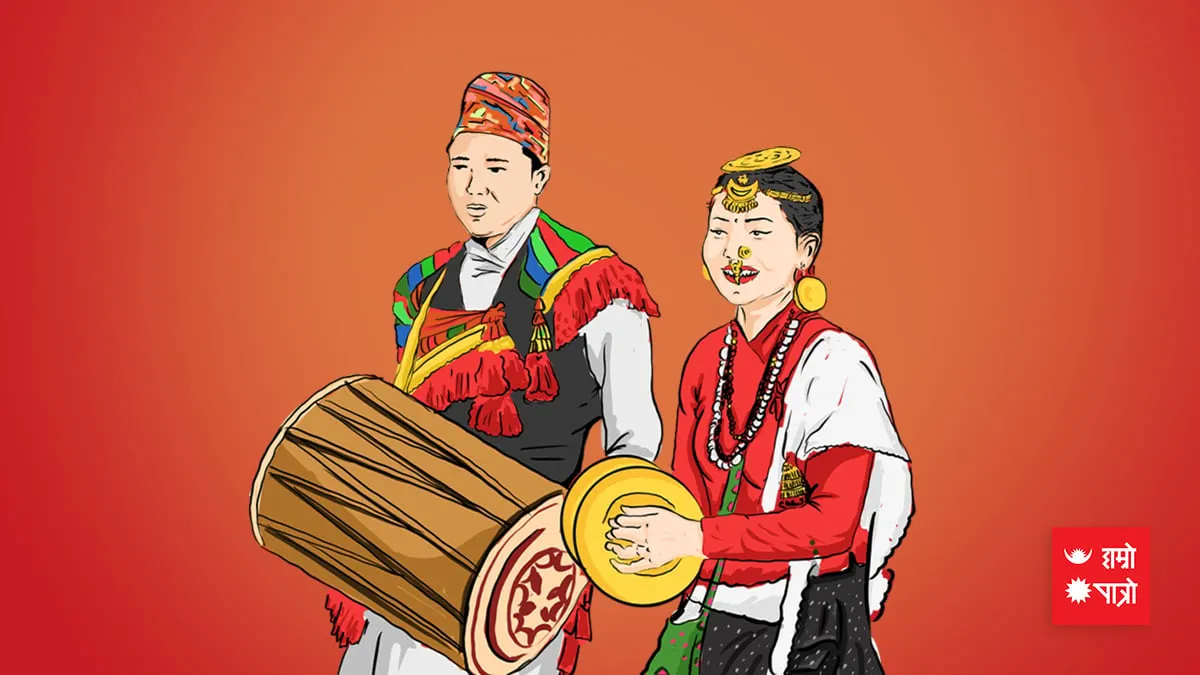
Besides, traditional musical instruments and especially invaluable musical instruments of Kirant culture, drums, zyamta, etc are played. Seeing these dances that are very calm and slow, there is a musical melody in the waist.The traditional dress worn by women in this dance is made of a special kind of fabric called chitko gunyu. On top of that, a special kind of drink, tongba is provided. Tongba is such a delightful drink that the soft trip of this drink makes you forget the pain and adds romanticism to one's life.
Today, public gatherings and dances are held in Kathmandu's Tudikhel, Ilam, Panchthar, Tehrathum, and other places of the country where various Kirants are predominant. Kiranti friends, dressed in traditional attire, shake hands with each other and many people gather to watch the dance performed in a very attractive way.
The Kirants are the worshipers of the land, the special significance of the land, and the wonderful love of mother earth resides in this community. Today, the holy land is also considered worship. Worshipping the land, thanking God for this year's grain, they also pray for a good harvest next year.
The world should be able to learn this selfless reverence and harmony towards soil or earth through Kirants. No matter how much development and technology, our existence is linked with the existence of the earth, our common home, let's all love this earth, good luck to all!
Yomari Punhi
Yomari Punhi
Exclusive audio
Similarly, the Newar community, rich in diverse ancient cultures and traditions, scattered all over the country, including the Kathmandu Valley, is celebrating Yomari punhi today. Today's Yomari Punhi and Dhanya Purnima carry special significance along with agricultural work.
Harvesting is formally over today
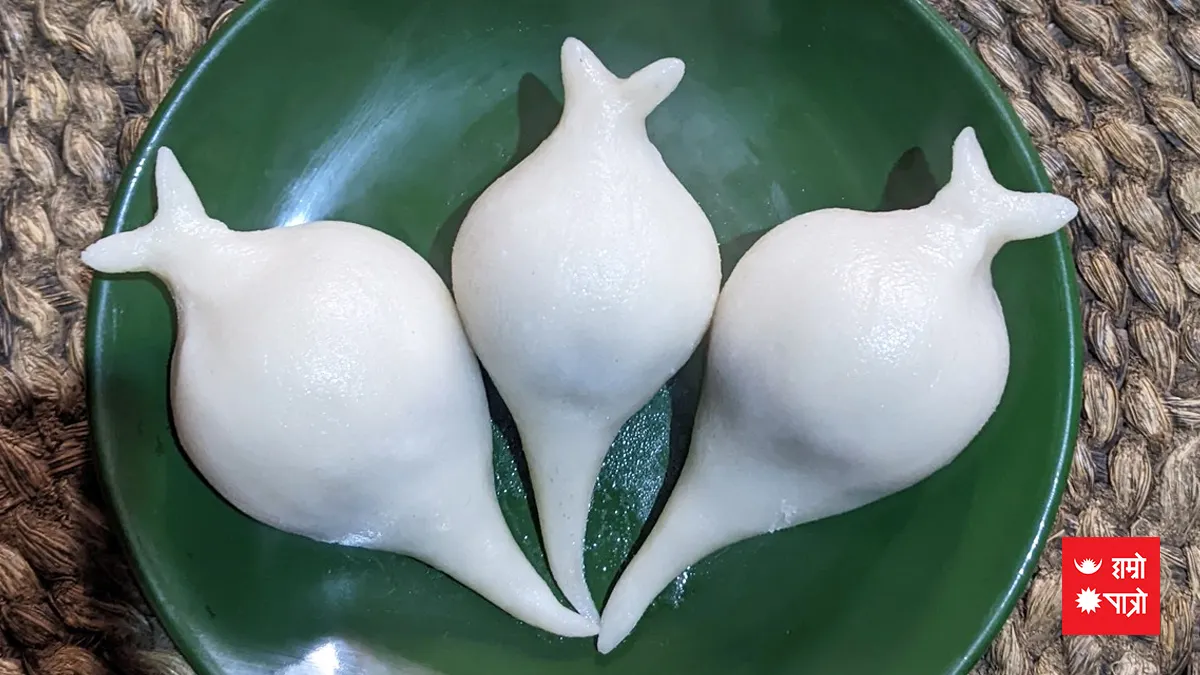
Formal harvesting of paddy is done from Yomari Punhi i.e. full moon. That is why today is also called Dhanya Purnima. Yomari is made from water vapour by making a new rice husk in the shape of a fish and putting Sakhhar, sesame seeds, milk feed, etc. inside it.
The shape of Yomari and its significance
The triangular shape of Yomari is considered to be the semicircle of Saraswati or the image of knowledge. As the people of Kathmandu consider Machhindranath as the god of water, the tradition of offering new crops and food made from them to Annapurna, the mother of grains or crops, has been going on for centuries.
On this day, children go to the door of a neighbour and ask for yomari while having fun. In terms of how yomari was made, yomari appeared as a new dish made from fresh rice by a family in what is now in Panauti, and it is popularly called yomari because the family allowed all the villagers to taste the dish. In the Nepali language, yomari means sweet bread.
Jyapu Day
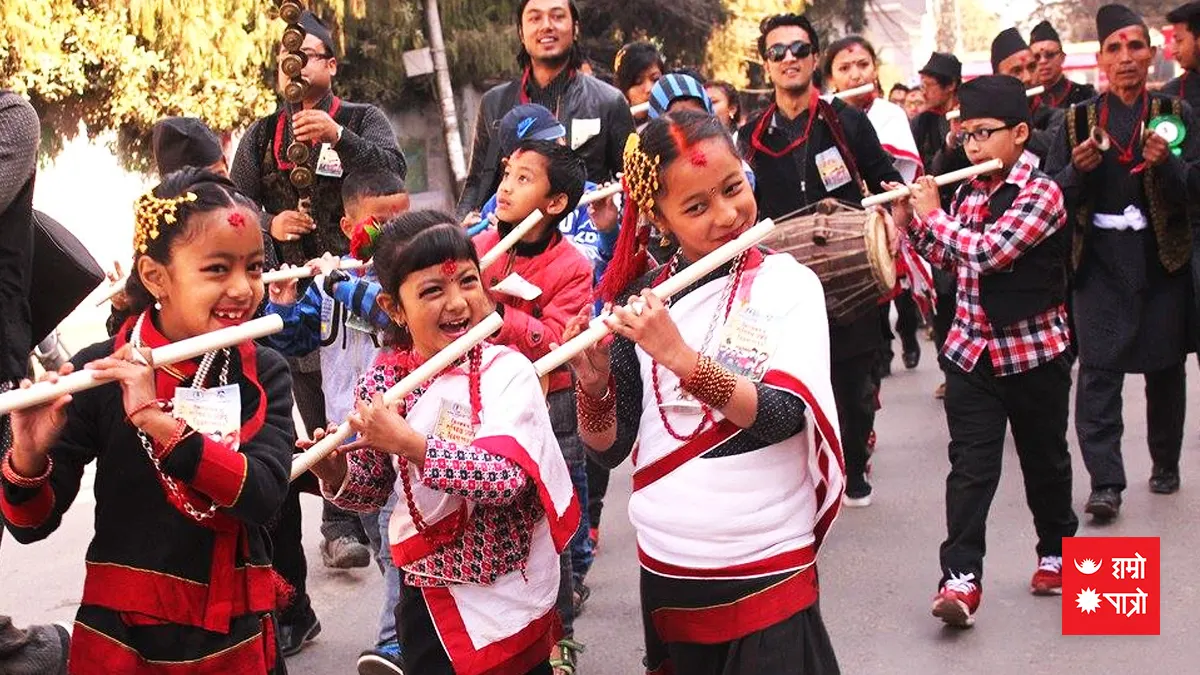
Jyapu Day is a special celebration observed by the Newar community. This day honors and appreciates the contributions of the Jyapu, the agricultural and hard working farmers of the Newa society. It is celebrated annually on Jyapu Purnima, which falls after Gathamuga Chare in the month of Mangsir. Jyapu Day reflects the importance of Newar culture, traditions, and lifestyle while showcasing its uniqueness.
Activities on Jyapu Day
On this day, people dress in traditional Newar attire and participate in processions, cultural dances, and rallies. Speeches in the (Nepal Bhasa) Newa language, exhibitions of agricultural tools, and displays of local products are also organized to mark the occasion. Traditional Newar music and dances, which highlight the identity of the Jyapu community, add vibrancy to the celebration.
In places like Patan, Bhaktapur, and Kathmandu, this festival is celebrated with great enthusiasm. It plays a significant role in preserving and promoting Newar culture.
Poornima Vrata
पूर्णिमा व्रत
Exclusive audio
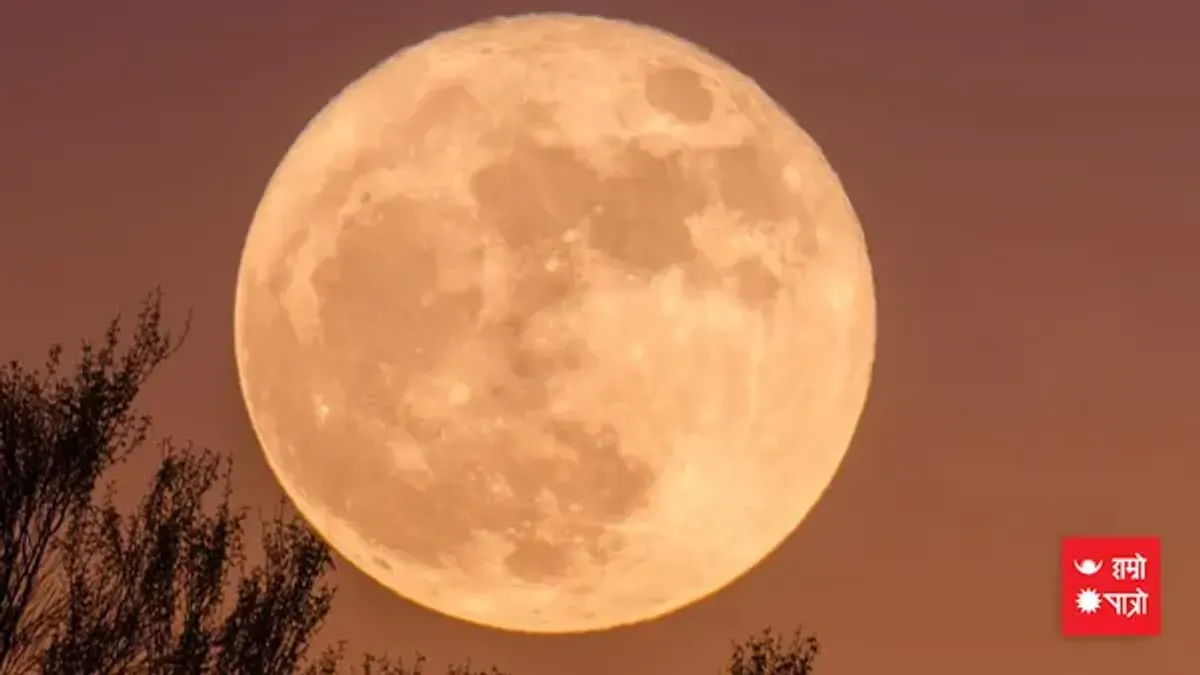
From a scientific point of view, it is said that gravity will have a great effect on the earth on the day of the full moon and self-purification will be done by fasting on this day and remembering the name of God. By fasting on this day, the metabolic process will be strengthened, gastric problems will be solved and positive energy will increase in the body.
This day is fasted from sunrise in the morning to moonrise in the evening. Some people observe this fast without drinking water, while others observe this fast by eating only one meal and eating no salt (alino) food. In the evening, after the moonrise, the fast ends with the sighting of the moon. Happy Shukla Purnima to everyone .
Let there be an end to the flood and landslide, let there be the protection of both religion and the followers of religion.
Dhanne Poornima
Dhanne Poornima
Exclusive audio
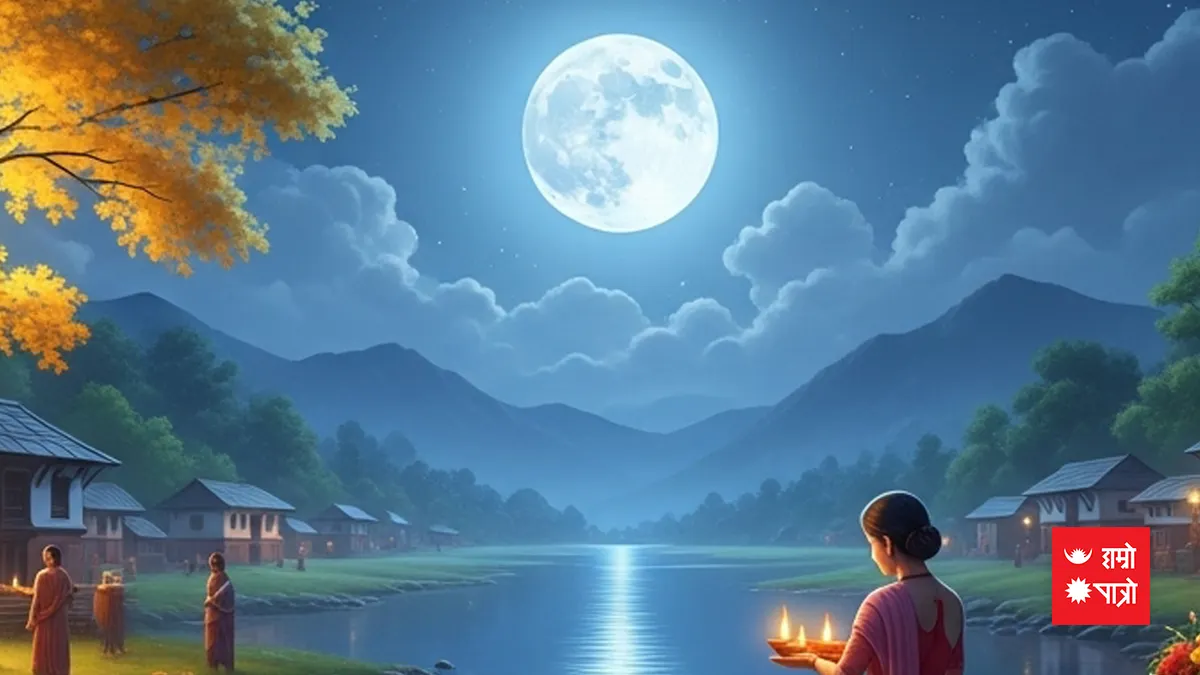
Masinar Purnima is celebrated as Dhanne Poornima all over Nepal. On the day of Dhanyapurnima, there is a tradition of worshiping rice in the form of Lakshmi to celebrate the arrival of new paddy. Today, the Newar community worships Yomari as an idol of Dhanya Lakshmi. The nature worshipping Kirats consider this day as Udhauli festival, while others observe Dhanne Poornima and also perform their sacred kul puja on this day.
Upcomming Events
-
27Aashadha
-
28AashadhaPradosh Vrata tomorrow
-
29AashadhaBhanu Jayanti 2 days remaning
-
31AashadhaWorld Youth Skill Day 4 days remaning
-
1ShrawanSaune Shankranti/Luto Falne Din/Dakshinaayan Arambha 6 days remaning
-
5ShrawanSurya Pooja 10 days remaning
-
6ShrawanBudhastami Vrata/Gorakhkali Puja 11 days remaning
-
9ShrawanHarishayani Ekadashi Vrata/Chaturmaas Vrata Aarambha 14 days remaning
-
10ShrawanPradosh Vrata 15 days remaning
-
12ShrawanWorld Hepatitis Day 17 days remaning
-
13ShrawanGuru Purnima Vrata/Vyas Jayanti/World Tiger Day 18 days remaning
-
14Shrawan
-
15ShrawanKhir Khane Din 20 days remaning
-
16ShrawanWorld BreastFeeding Week 21 days remaning
-
18ShrawanVitak Katha Prarambha 23 days remaning
-
21ShrawanGorakhkali Puja 26 days remaning
-
23ShrawanNational Soil Conservation Day 28 days remaning
-
24Shrawan
-
25ShrawanSom Pradosh Vrata 30 days remaning
-
26ShrawanGathāṃmugaḥ Caḥhre 31 days remaning
-
27ShrawanInternational Youth Day 32 days remaning
-
28ShrawanGunla Parwa Arambha/World Calligraphy Day 33 days remaning
-
30ShrawanVaraha Jayanti 35 days remaning
-
1BhadraNag Panchami Barta/Tharu Guriya Parwa/Singh Sankranti 37 days remaning
-
2BhadraKalki Jayanti 38 days remaning
-
3BhadraTulasidas Jayanti/National Information Day/World Photography Day 39 days remaning
-
4BhadraGorakhkali Puja 40 days remaning
-
7BhadraPutrada Ekadashi Vrata 43 days remaning
-
9BhadraPradosh Vrata 45 days remaning
-
12Bhadra
-
13BhadraGaijatra/International Day Against Nuclear Tests 49 days remaning
-
14Bhadra
-
15BhadraNational Library Day 51 days remaning
-
16BhadraMangal Chauthi Vrata 52 days remaning
-
18BhadraGaura Saptami 54 days remaning
-
19BhadraShree Krishna Janmashtami/Gaura Parva/Gorakhkali Puja/Durwashtami 55 days remaning
-
20Bhadra
-
22BhadraAja Ekadashi Vrata/Nijamati Sewa Diwas 58 days remaning
-
23Bhadra
-
25BhadraWorld Suicide Prevention Day 61 days remaning
Jyotish
-
Jyotish Pandit Mukunda Nepalज्योतिष पण्डित मुकुन्द नेपाल�...
-
Jyotish Smarika Acharyaबाल्मीकि बिद्यापिठ बाट ज्योत�...
-
Jyotish Vaman Sapkotaशिक्षा - व्याकरणाचार्य, पौरोही...
-
Jyotish Narayan Prasad Bhandariज्योतिषका उप-प्राध्यापक (lecturer of A...
-
Jyotish Mukunda Sharmaस्वाध्याय, सत्सङ्ग र सदाचारजस�...
-
Jyotish Purushottam Ghimireनेपाल संस्कृत विश्वविद्यालय, �...
-
Jyotish Khageshwor Subediगुरुकुल पद्दति बाट ज्योतिषीय �...
-
Jyotish Dharmendra Krishna Paudelशास्त्री धर्मेन्द्र कृष्ण पौ�...
-
Jyotish Mohan Ghimireसम्पुर्णानन्द संस्कृत विश्वव...
-
Jyotish Narayan Prasad Gautamगुरुकुल शिक्षा प्रणालीबाट ज्�...
-
Jyotish Krishna Prasad Bhandariउपप्राध्यापक (Asst. professor of Sanskrit) नेपा�...
-
Jyotish Hamro patroनेपाल संस्कृत विश्वविद्यालय �...
-
Jyotish Damodar Kaushikज्योतिष र व्याकरण विषयमा आचार�...
-
Jyotish Damodar Poudelनेपाल संस्कृत विश्व बिद्यालय�...
-
Jyotish Amrit Paudelवाराणसीकै सम्पूर्णानन्द संस्...
-
Jyotish Dipendra Khatiwadaसम्पुर्णानन्द संस्कृत बिश्वब...
-
Jyotish Deepak Prasad Kafleसम्पूर्णानन्द संस्कृत विश्वव...
-
Jyotish Kuresh Pandey११ वर्षको अनुभवसहित विभिन्न ध�...
-
Jyotish Ghanashyam Pokharelनेपाल संस्कृत विश्वविद्यालयब...
call
Hororscope
मेष (चु, चे, चो, ला, लि, लु, ले, लो, अ) दिनको सुरुवात सामान्य रहनेछ, तर बिस्तारै कामले गति लिनेछ। अरूले टारेको जिम्मेवारी पनि तपाईंले सम्हाल्नुपर्ने हुन सक्छ। आफ्नो काम समयमै सक्दा मन ढुक्क हुनेछ। आजको शुभ रंग हरियो हो भने शुभ अंक ३ रहेको छ।




Liked by: