
Upcomming Events
-
27Aashadha
-
28AashadhaPradosh Vrata tomorrow
-
29AashadhaBhanu Jayanti 2 days remaning
-
31AashadhaWorld Youth Skill Day 4 days remaning
-
1ShrawanSaune Shankranti/Luto Falne Din/Dakshinaayan Arambha 6 days remaning
-
5ShrawanSurya Pooja 10 days remaning
-
6ShrawanBudhastami Vrata/Gorakhkali Puja 11 days remaning
-
9ShrawanHarishayani Ekadashi Vrata/Chaturmaas Vrata Aarambha 14 days remaning
-
10ShrawanPradosh Vrata 15 days remaning
-
12ShrawanWorld Hepatitis Day 17 days remaning
-
13ShrawanGuru Purnima Vrata/Vyas Jayanti/World Tiger Day 18 days remaning
-
14Shrawan
-
15ShrawanKhir Khane Din 20 days remaning
-
16ShrawanWorld BreastFeeding Week 21 days remaning
-
18ShrawanVitak Katha Prarambha 23 days remaning
-
21ShrawanGorakhkali Puja 26 days remaning
-
23ShrawanNational Soil Conservation Day 28 days remaning
-
24Shrawan
-
25ShrawanSom Pradosh Vrata 30 days remaning
-
26ShrawanGathāṃmugaḥ Caḥhre 31 days remaning
-
27ShrawanInternational Youth Day 32 days remaning
-
28ShrawanGunla Parwa Arambha/World Calligraphy Day 33 days remaning
-
30ShrawanVaraha Jayanti 35 days remaning
-
1BhadraNag Panchami Barta/Tharu Guriya Parwa/Singh Sankranti 37 days remaning
-
2BhadraKalki Jayanti 38 days remaning
-
3BhadraTulasidas Jayanti/National Information Day/World Photography Day 39 days remaning
-
4BhadraGorakhkali Puja 40 days remaning
-
7BhadraPutrada Ekadashi Vrata 43 days remaning
-
9BhadraPradosh Vrata 45 days remaning
-
12Bhadra
-
13BhadraGaijatra/International Day Against Nuclear Tests 49 days remaning
-
14Bhadra
-
15BhadraNational Library Day 51 days remaning
-
16BhadraMangal Chauthi Vrata 52 days remaning
-
18BhadraGaura Saptami 54 days remaning
-
19BhadraShree Krishna Janmashtami/Gaura Parva/Gorakhkali Puja/Durwashtami 55 days remaning
-
20Bhadra
-
22BhadraAja Ekadashi Vrata/Nijamati Sewa Diwas 58 days remaning
-
23Bhadra
-
25BhadraWorld Suicide Prevention Day 61 days remaning
Jyotish
-
 Jyotish Damodar Poudelनेपाल संस्कृत विश्व बिद्यालय�...
-
Jyotish Pandit Mukunda Nepalज्योतिष पण्डित मुकुन्द नेपाल�...
-
Jyotish Smarika Acharyaबाल्मीकि बिद्यापिठ बाट ज्योत�...
-
Jyotish Vaman Sapkotaशिक्षा - व्याकरणाचार्य, पौरोही...
-
Jyotish Narayan Prasad Bhandariज्योतिषका उप-प्राध्यापक (lecturer of A...
-
 Jyotish Mukunda Sharmaस्वाध्याय, सत्सङ्ग र सदाचारजस�...
-
Jyotish Purushottam Ghimireनेपाल संस्कृत विश्वविद्यालय, �...
-
Jyotish Khageshwor Subediगुरुकुल पद्दति बाट ज्योतिषीय �...
-
 Jyotish Dharmendra Krishna Paudelशास्त्री धर्मेन्द्र कृष्ण पौ�...
-
Jyotish Mohan Ghimireसम्पुर्णानन्द संस्कृत विश्वव...
-
Jyotish Narayan Prasad Gautamगुरुकुल शिक्षा प्रणालीबाट ज्�...
-
Jyotish Krishna Prasad Bhandariउपप्राध्यापक (Asst. professor of Sanskrit) नेपा�...
-
Jyotish Hamro patroनेपाल संस्कृत विश्वविद्यालय �...
-
Jyotish Damodar Kaushikज्योतिष र व्याकरण विषयमा आचार�...
-
Jyotish Amrit Paudelवाराणसीकै सम्पूर्णानन्द संस्...
-
Jyotish Dipendra Khatiwadaसम्पुर्णानन्द संस्कृत बिश्वब...
-
Jyotish Deepak Prasad Kafleसम्पूर्णानन्द संस्कृत विश्वव...
-
 Jyotish Kuresh Pandey११ वर्षको अनुभवसहित विभिन्न ध�...
-
Jyotish Ghanashyam Pokharelनेपाल संस्कृत विश्वविद्यालयब...


call
Hororscope
 Mesh
Mesh Brish
Brish Mithun
 Karkat
  Singha
  Kanya
Kanya Tula
Tula Brischik
 Dhanu
Dhanu  Makar
Makar  Kumbha
 Meen
Meen
मेष (चु, चे, चो, ला, लि, लु, ले, लो, अ) नोकरी वा पेशामा तर्कशक्तिले अरुलाई प्रभावित पार्न सक्नुहुनेछ। महत्वकांक्षी योजना पूरा गर्नको लागि संघर्ष गर्नुपर्ला। स्वास्थ्यमा चिसोबाट जोगिनुहोस्। आजको शुभ रंग हरियो हो भने शुभ अंक ६ रहेको छ।



2082 Bhadra
15
Sunday
Aug 31, 2025
भदौ शुक्ल अष्टमी
Radha Janmotsav/Gaura Parva/Gorakhkali Puja/Durwashtami/National Library Day
भदौ शुक्ल अष्टमी

MY NOTE


गाैरा पर्व
Exclusive audio
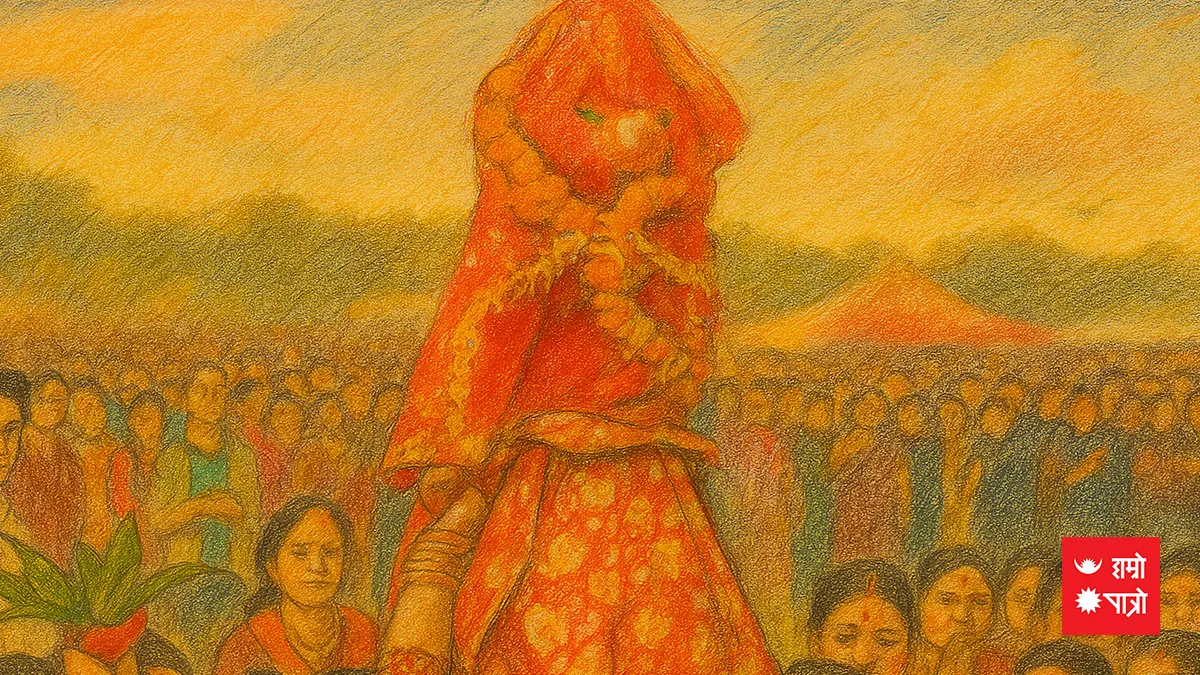
Gaura Parwa has its roots deeply associated with the origin of the Nepali language and Khas kingdom. The search for the roots of Nepal's language and culture is of great importance in the Far Western landscape and its ancient background. In the far west, which is the origin of the Khas kingdom and the roots of language, culture, and civilization, the Gaura festival is celebrated by organizing various religious activities from the 6th to the 8th of Bhadra Shukla Paksha. Especially in Doti and Kumaon, Gauraparva has been celebrated since time immemorial.
Ancient significance of Gaura Parwa
After Sahastrarjuna, one of the ancient Haihyavanshi kings, killed a Brahmin while demanding his money back from the Bhriguvanshi Brahmins, the widowed Brahmins went on a fast to protect their chastity. As a result of worship, a Brahmin got a glorious son and the king named Sahastrarjuna, who was blinded by the glory of that son, had to apologize, so Gauri, i.e. Parvati, is considered to be the almighty, and Gaura festival is celebrated in her memory.
On the first day of Gaura Parva, the women of the Gaura Parva community go on a fast and soak 'Biruda' i.e. five kinds of nuts in a copper or brass vessel in their house and accept it as an offering. On the second day after soaking the biruda, they wash the 'biruda' at the community water source (pandhera) at an auspicious time and make an idol of Gaura and enter the house. After Gaura enters the Gauraghar, Shiva and Gauri (Gaura) are worshiped by devout women.
After entering Gaura, men and women enjoy playing deuda, chait, dhamari, etc. in separate local folk languages. Through such songs with special and utmost Nepaliness, they share each other's sorrows and joys as well as love. This festival is celebrated as one of the biggest festivals in the far western region. It is customary for the head of state to wish the countrymen on the occasion of the Gaura festival.
It is important to take the Gaura festival not only with the Far West but also as a festival of the entire nation and Nepali identity. East or west, the hearts of Nepali are the same. Happy Gaura festival to Nepalis from Mechi to Mahakali! Celebrate with so much fun, Hail!!
Gorakhkali Puja
गोरखकाली पूजा
Exclusive audio
Baba Gorakh and Nepal History
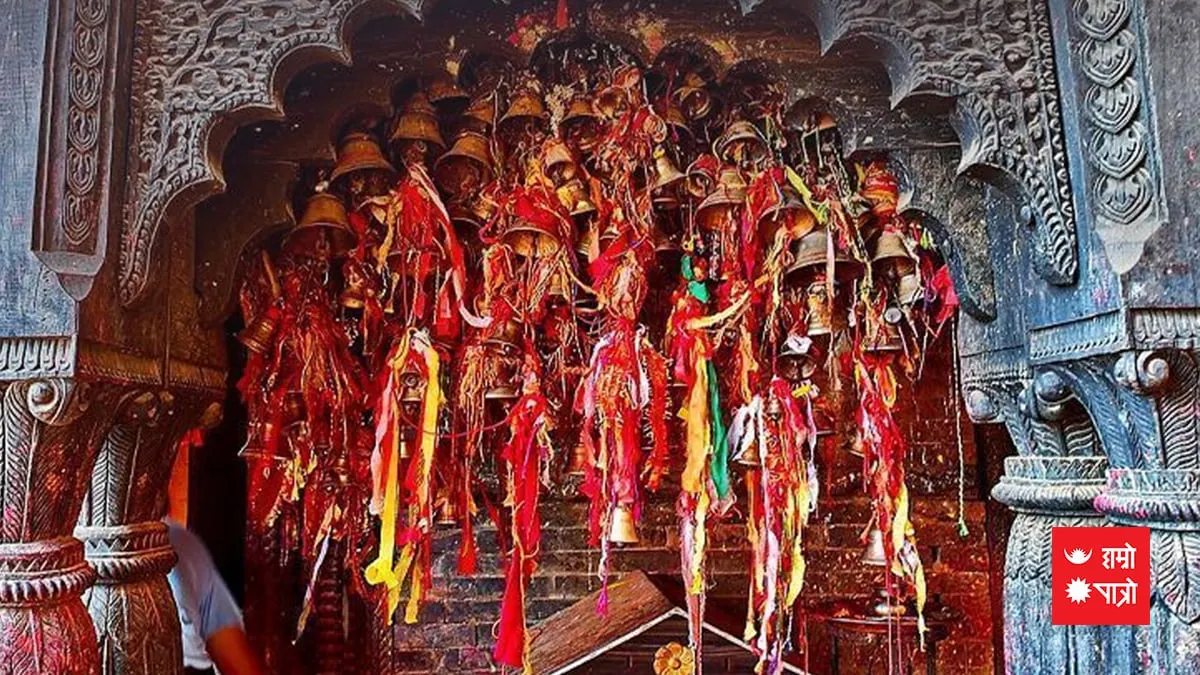
Baba Gorakh and Gorakhkali vagwati are very important in Nepali history. The meeting between Prithvi Narayan Shah and Baba Gorakh, the vomit that fell on the feet of Prithvi Narayan Shah and the auspiciousness given by Baba Gorakh to Prithvi Narayan Shah that there will be victory wherever he bows is the reason for the energy and strength of Nepal's unification.
The glory of Gorakhnath Baba, a unique devotee of Baba Machindranath, is special in the Sanatan community of Nepal, India and all over the world.
Gorkha, the district of origin of Shah dynasty kings adjacent to the name of Baba Gorakh, and Gorakhkali temple have special importance in the former royal family of Nepal. It should be remembered that in the history of Baba Gorakh, the Gorakh palace and dynasty as well as the Gorakh temple in Pashupati's mrigasthali forest and Baba's 15-year meditation there are also connected.
The Gorkha temple of Mrigasthali is in a state of neglect due to lack of protection and management.
The shrine of Gorakhkali Devi
In the Gorkha Darbar area is the shrine of Gorakhkali Devi. This Peetha is considered as the Kool Devi of the Shah Dynasty. It is customary to worship Gorkhali on Paush Krishna Ashtami. Today, a special puja is performed at the Gorakhkali temple in Gorkha.
It has been a tradition for hundreds of years to bring Jamara to Kathmandu on Phulpati day in this Gorakhkali temple. In the post-republic years, such customs have not been given much attention, although the importance of Baba Gorakh and Gorakhkali Devi in the protection of Nepalese land has been incomparable.
Nepali people need more blessings of Baba Gorakh and Gorakhkali Devi to protect cows.
Gorakh Sandesh (Message)
Gorakh message
Guru Gorakhnath says - "The journey of the temples and shrines is Suno Yatra" meaning the pilgrimage of the temples etc. are spiritually meaningless, equal to zero, soulless – unless we are able to spread love to every being in this cosmos.
देवल जात्रा सुंनि जात्रा, तीरथ जात्रा पाणीं ।
अतीत जात्रा सुफल जात्रा, बोलै अमृत वाणी
Yes, the role of temples is very important in terms of religion and culture, but if there is a pilgrimage but there is no faith, there is no emotion and there is no devotion, then what is the use of just doing a "deval pilgrimage"? Do not worship people who worship idols! Run to temple but can't make the house a temple! Worshiping the deity of the temple but unable to awaken divinity in himself! Offering fruit, offerings, etc. to the deity made of stone in a small area and complex, but not accepting that the divinity resides in every human, animal and bird! And unable to serve! Seeing such religious pretentiousness, Guru Gorakhnath made a sharp satire in Khadi language (Prakrit language, folk language, rural language). Glory be to Baba Gorakhnath and Gorakhkali Bhagwati forever.
Infinite love of Gorakhkali Puja.
Durwashtami
दुर्वाष्टमी
Exclusive audio
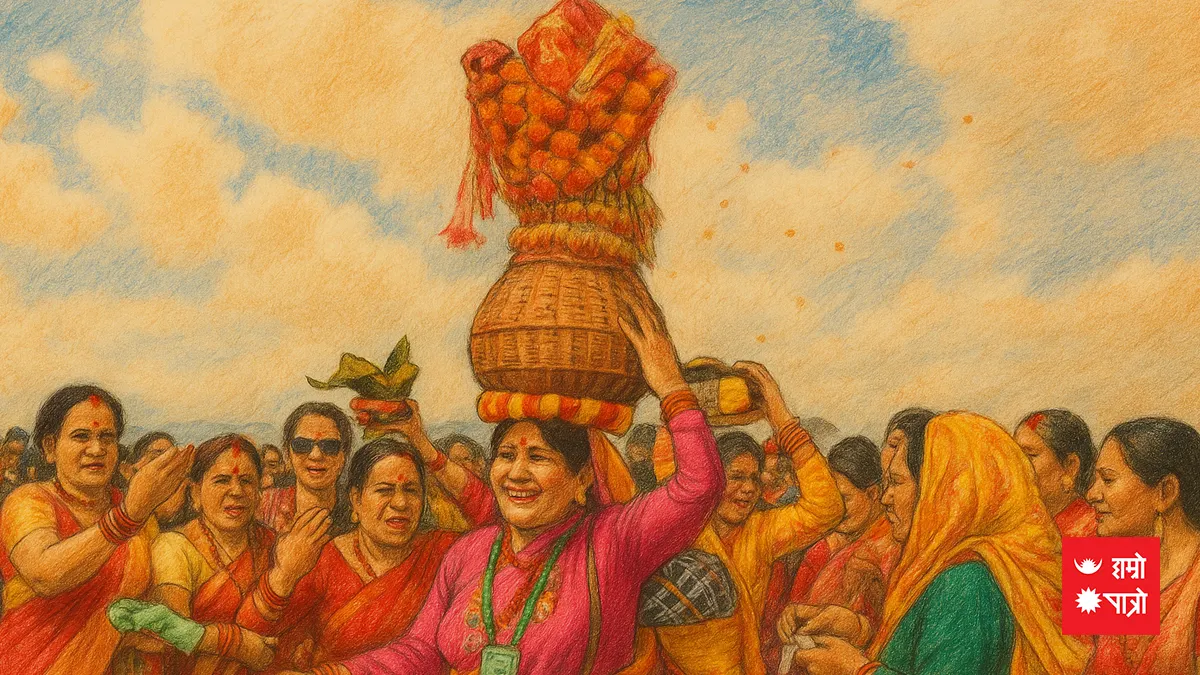
Duvo Ashtami (Durva Ashtami) is one of the important fasts (vrata) observed in the Nepali Hindu community. This festival is celebrated on the eighth day (Ashtami tithi) of the bright fortnight (Shukla Paksha) of the month of Bhadra. It is called Duvo Ashtami because it is a special day for offering duvo (a type of sacred grass called durva) to Lord Ganesha and various other deities. Duvo is used in rituals such as weddings, Bratabandha (sacred thread ceremony), naming ceremonies, and more. It is considered a symbol of longevity, prosperity, and purity.
According to the Brahmavaivarta Purana, once Lord Ganesha swallowed a demon named Analasura. After this, his stomach began to burn. Despite various efforts by the gods, the burning did not subside. Finally, when the sages offered duvo to him, the burning sensation was soothed. From that moment, Lord Ganesha declared duvo as his most beloved offering. Hence, on this day, people offer duvo to Lord Ganesha.
Just as duvo grows back and spreads no matter how much it is cut, it is believed that offering duvo to Lord Ganesha on this day brings success in all areas of one’s life, spreading like duvo itself. This festival not only highlights the religious significance of duvo but also its natural and medicinal importance.
National Library Day
राष्ट्रिय पुस्तकालय दिवस
Exclusive audio
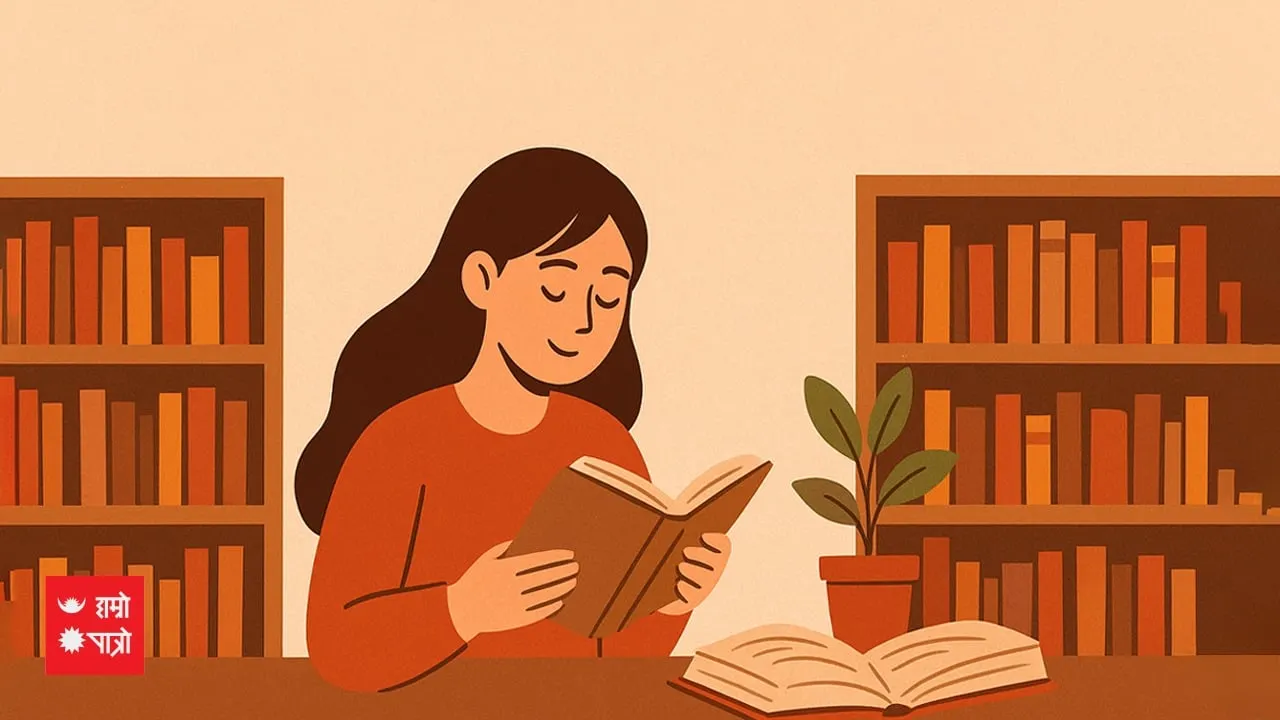
Since 2008 (2065 B.S.), the Government of Nepal has been celebrating National Library Day every year on Bhadra 15 (August–September). The day commemorates a historic milestone when, during the reign of King Girvan Yuddha Bikram Shah, a royal seal was affixed to the law establishing a library on Bhadra 15, 1869 B.S. (1812 A.D.). This marks the beginning of the library tradition in Nepal.
This year, the theme of National Library Day is: “Our Library: Our Future.” The day is being observed across the country with various creative, educational, and
awareness-oriented programs.
Purpose of Celebrating National Library Day
Nepal began observing this day in 2008 (2065 B.S.) with the aim of raising awareness about the importance, activities, and challenges of libraries, while also promoting reading culture and access to knowledge.
Types of Libraries in Nepal
Libraries in Nepal exist in different forms, each contributing significantly to education, research, and knowledge development:
1.Academic Libraries – Linked with schools, colleges, and universities. The largest in Nepal is the Tribhuvan University Central Library.
2.Community Libraries – Run with local community initiatives, providing access to knowledge for the general public.
3.E-Libraries – Digital platforms that make books, resources, and information accessible online.
Importance of Libraries
- A primary source of knowledge, education, and research.
- A center for intellectual, social, and cultural growth.
- An inspiring space for lifelong learning and critical thinking.
Uses of Libraries
- Access to books, journals, digital content, and reference materials.
- Supporting reading, study, and research.
- Promoting academic excellence and a culture of knowledge-sharing.
Radha Janmotsav
राधा जन्मोत्सव
Exclusive audio
Radha janmostsav
Kr̥ṣṇasya draviṇaṁ rādhā rādhāyāḥ draviṇaṁ hariḥ |
Jīvanēna dhanē nityaṁ rādhākr̥ṣṇagatirmama. ||
Meaning: Lord Sri Krishna's full wealth is Sri Radharani and Sri Radharani's full wealth is Sri Krishna, therefore every moment of my life should be spent in the shelter of Sri Radha-Krishna.
Background of Radha janmostsav
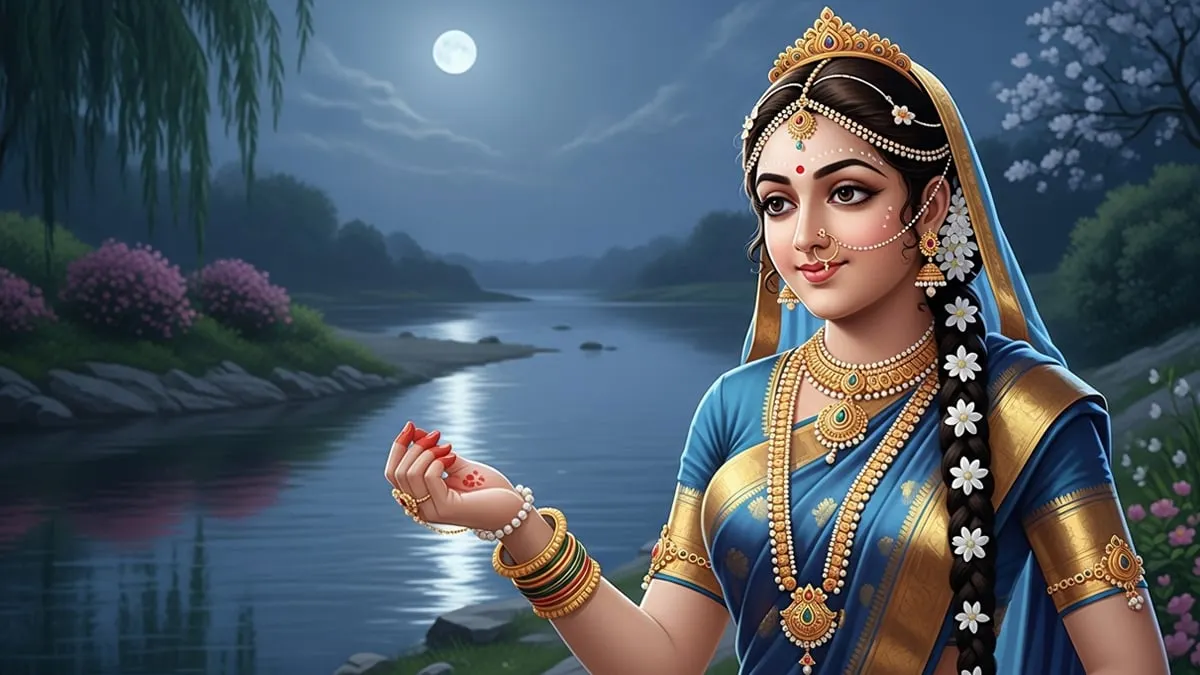
Radha janmostsav or Radhashtami is a holy day for Hindus. Krishna Priya Radhaji was born on the eighth day of the Shukla Paksha of Bhadrapada month. Therefore this day is celebrated as Radhashtami. The sacrificial fire of Shri Radhaji Vrishabhanu was revealed from the land. Sri Radha is considered to be the incarnation of Lakshmi. It is mainly celebrated by Krishna devotees.
Who is Radha?
Radha was the most beloved of Lord Krishna. It is said that the worship of Lord Krishna is considered incomplete without worshipping Shri Radha.
Sri Vrindavaneshwari Radha always brings joy to Shri Krishna in Vedas and Puranadi, which is praised as 'Krishna Vallabha'.
In the Shrimad Devi Bhagwat, Shri Narayan has described the imperative of Shri Radha Puja to Narada in the context of the very ancient tradition of 'Shri Radhayai Swaha' Shakraksha Mantra and the remarkable glory. If a person does not worship Shri Radha, then the person does not have the right to worship Lord Krishna. Therefore, all Vaishnavas must pray to Goddess Radha. Therefore, all Vaishnavas must pray to Goddess Radha. Sri Radha is the presiding goddess of Lord Shri Krishna's life, so God remains under them. She Radhan for all the wishes, that is why she has been called Shri Radha.
Puja Bidhi
Radha-Krishna should be worshipped on this day. One should fast for the whole day and do a time of flourishing. After bathing the idol of Shri Radha and Krishna with Panchamrit, make them adorn, offer sacrifices and then offer incense, lamps, flowers etc. Make a pavilion with five colours of powder and make a lotus-shaped hexadeum inside it. In the middle of that lotus, meditate on the Divyasana by setting Sri Radhakrishna's yurtamurti backwards and worship and worship Lord Radhakrishna devoutly.
Upcomming Events
-
27Aashadha
-
28AashadhaPradosh Vrata tomorrow
-
29AashadhaBhanu Jayanti 2 days remaning
-
31AashadhaWorld Youth Skill Day 4 days remaning
-
1ShrawanSaune Shankranti/Luto Falne Din/Dakshinaayan Arambha 6 days remaning
-
5ShrawanSurya Pooja 10 days remaning
-
6ShrawanBudhastami Vrata/Gorakhkali Puja 11 days remaning
-
9ShrawanHarishayani Ekadashi Vrata/Chaturmaas Vrata Aarambha 14 days remaning
-
10ShrawanPradosh Vrata 15 days remaning
-
12ShrawanWorld Hepatitis Day 17 days remaning
-
13ShrawanGuru Purnima Vrata/Vyas Jayanti/World Tiger Day 18 days remaning
-
14Shrawan
-
15ShrawanKhir Khane Din 20 days remaning
-
16ShrawanWorld BreastFeeding Week 21 days remaning
-
18ShrawanVitak Katha Prarambha 23 days remaning
-
21ShrawanGorakhkali Puja 26 days remaning
-
23ShrawanNational Soil Conservation Day 28 days remaning
-
24Shrawan
-
25ShrawanSom Pradosh Vrata 30 days remaning
-
26ShrawanGathāṃmugaḥ Caḥhre 31 days remaning
-
27ShrawanInternational Youth Day 32 days remaning
-
28ShrawanGunla Parwa Arambha/World Calligraphy Day 33 days remaning
-
30ShrawanVaraha Jayanti 35 days remaning
-
1BhadraNag Panchami Barta/Tharu Guriya Parwa/Singh Sankranti 37 days remaning
-
2BhadraKalki Jayanti 38 days remaning
-
3BhadraTulasidas Jayanti/National Information Day/World Photography Day 39 days remaning
-
4BhadraGorakhkali Puja 40 days remaning
-
7BhadraPutrada Ekadashi Vrata 43 days remaning
-
9BhadraPradosh Vrata 45 days remaning
-
12Bhadra
-
13BhadraGaijatra/International Day Against Nuclear Tests 49 days remaning
-
14Bhadra
-
15BhadraNational Library Day 51 days remaning
-
16BhadraMangal Chauthi Vrata 52 days remaning
-
18BhadraGaura Saptami 54 days remaning
-
19BhadraShree Krishna Janmashtami/Gaura Parva/Gorakhkali Puja/Durwashtami 55 days remaning
-
20Bhadra
-
22BhadraAja Ekadashi Vrata/Nijamati Sewa Diwas 58 days remaning
-
23Bhadra
-
25BhadraWorld Suicide Prevention Day 61 days remaning
Jyotish
-
Jyotish Damodar Poudelनेपाल संस्कृत विश्व बिद्यालय�...
-
Jyotish Pandit Mukunda Nepalज्योतिष पण्डित मुकुन्द नेपाल�...
-
Jyotish Smarika Acharyaबाल्मीकि बिद्यापिठ बाट ज्योत�...
-
Jyotish Vaman Sapkotaशिक्षा - व्याकरणाचार्य, पौरोही...
-
Jyotish Narayan Prasad Bhandariज्योतिषका उप-प्राध्यापक (lecturer of A...
-
Jyotish Mukunda Sharmaस्वाध्याय, सत्सङ्ग र सदाचारजस�...
-
Jyotish Purushottam Ghimireनेपाल संस्कृत विश्वविद्यालय, �...
-
Jyotish Khageshwor Subediगुरुकुल पद्दति बाट ज्योतिषीय �...
-
Jyotish Dharmendra Krishna Paudelशास्त्री धर्मेन्द्र कृष्ण पौ�...
-
Jyotish Mohan Ghimireसम्पुर्णानन्द संस्कृत विश्वव...
-
Jyotish Narayan Prasad Gautamगुरुकुल शिक्षा प्रणालीबाट ज्�...
-
Jyotish Krishna Prasad Bhandariउपप्राध्यापक (Asst. professor of Sanskrit) नेपा�...
-
Jyotish Hamro patroनेपाल संस्कृत विश्वविद्यालय �...
-
Jyotish Damodar Kaushikज्योतिष र व्याकरण विषयमा आचार�...
-
Jyotish Amrit Paudelवाराणसीकै सम्पूर्णानन्द संस्...
-
Jyotish Dipendra Khatiwadaसम्पुर्णानन्द संस्कृत बिश्वब...
-
Jyotish Deepak Prasad Kafleसम्पूर्णानन्द संस्कृत विश्वव...
-
Jyotish Kuresh Pandey११ वर्षको अनुभवसहित विभिन्न ध�...
-
Jyotish Ghanashyam Pokharelनेपाल संस्कृत विश्वविद्यालयब...
call
Hororscope
मेष (चु, चे, चो, ला, लि, लु, ले, लो, अ) नोकरी वा पेशामा तर्कशक्तिले अरुलाई प्रभावित पार्न सक्नुहुनेछ। महत्वकांक्षी योजना पूरा गर्नको लागि संघर्ष गर्नुपर्ला। स्वास्थ्यमा चिसोबाट जोगिनुहोस्। आजको शुभ रंग हरियो हो भने शुभ अंक ६ रहेको छ।




Liked by: