
Upcomming Events
-
27Aashadha
-
28AashadhaPradosh Vrata tomorrow
-
29AashadhaBhanu Jayanti 2 days remaning
-
31AashadhaWorld Youth Skill Day 4 days remaning
-
1ShrawanSaune Shankranti/Luto Falne Din/Dakshinaayan Arambha 6 days remaning
-
5ShrawanSurya Pooja 10 days remaning
-
6ShrawanBudhastami Vrata/Gorakhkali Puja 11 days remaning
-
9ShrawanHarishayani Ekadashi Vrata/Chaturmaas Vrata Aarambha 14 days remaning
-
10ShrawanPradosh Vrata 15 days remaning
-
12ShrawanWorld Hepatitis Day 17 days remaning
-
13ShrawanGuru Purnima Vrata/Vyas Jayanti/World Tiger Day 18 days remaning
-
14Shrawan
-
15ShrawanKhir Khane Din 20 days remaning
-
16ShrawanWorld BreastFeeding Week 21 days remaning
-
18ShrawanVitak Katha Prarambha 23 days remaning
-
21ShrawanGorakhkali Puja 26 days remaning
-
23ShrawanNational Soil Conservation Day 28 days remaning
-
24Shrawan
-
25ShrawanSom Pradosh Vrata 30 days remaning
-
26ShrawanGathāṃmugaḥ Caḥhre 31 days remaning
-
27ShrawanInternational Youth Day 32 days remaning
-
28ShrawanGunla Parwa Arambha/World Calligraphy Day 33 days remaning
-
30ShrawanVaraha Jayanti 35 days remaning
-
1BhadraNag Panchami Barta/Tharu Guriya Parwa/Singh Sankranti 37 days remaning
-
2BhadraKalki Jayanti 38 days remaning
-
3BhadraTulasidas Jayanti/National Information Day/World Photography Day 39 days remaning
-
4BhadraGorakhkali Puja 40 days remaning
-
7BhadraPutrada Ekadashi Vrata 43 days remaning
-
9BhadraPradosh Vrata 45 days remaning
-
12Bhadra
-
13BhadraGaijatra/International Day Against Nuclear Tests 49 days remaning
-
14Bhadra
-
15BhadraNational Library Day 51 days remaning
-
16BhadraMangal Chauthi Vrata 52 days remaning
-
18BhadraGaura Saptami 54 days remaning
-
19BhadraShree Krishna Janmashtami/Gaura Parva/Gorakhkali Puja/Durwashtami 55 days remaning
-
20Bhadra
-
22BhadraAja Ekadashi Vrata/Nijamati Sewa Diwas 58 days remaning
-
23Bhadra
-
25BhadraWorld Suicide Prevention Day 61 days remaning
Jyotish
-
 Jyotish Damodar Poudelनेपाल संस्कृत विश्व बिद्यालय�...
-
Jyotish Pandit Mukunda Nepalज्योतिष पण्डित मुकुन्द नेपाल�...
-
Jyotish Smarika Acharyaबाल्मीकि बिद्यापिठ बाट ज्योत�...
-
Jyotish Vaman Sapkotaशिक्षा - व्याकरणाचार्य, पौरोही...
-
Jyotish Narayan Prasad Bhandariज्योतिषका उप-प्राध्यापक (lecturer of A...
-
 Jyotish Mukunda Sharmaस्वाध्याय, सत्सङ्ग र सदाचारजस�...
-
Jyotish Purushottam Ghimireनेपाल संस्कृत विश्वविद्यालय, �...
-
Jyotish Khageshwor Subediगुरुकुल पद्दति बाट ज्योतिषीय �...
-
 Jyotish Dharmendra Krishna Paudelशास्त्री धर्मेन्द्र कृष्ण पौ�...
-
Jyotish Mohan Ghimireसम्पुर्णानन्द संस्कृत विश्वव...
-
Jyotish Narayan Prasad Gautamगुरुकुल शिक्षा प्रणालीबाट ज्�...
-
Jyotish Krishna Prasad Bhandariउपप्राध्यापक (Asst. professor of Sanskrit) नेपा�...
-
Jyotish Hamro patroनेपाल संस्कृत विश्वविद्यालय �...
-
Jyotish Damodar Kaushikज्योतिष र व्याकरण विषयमा आचार�...
-
Jyotish Amrit Paudelवाराणसीकै सम्पूर्णानन्द संस्...
-
Jyotish Dipendra Khatiwadaसम्पुर्णानन्द संस्कृत बिश्वब...
-
Jyotish Deepak Prasad Kafleसम्पूर्णानन्द संस्कृत विश्वव...
-
 Jyotish Kuresh Pandey११ वर्षको अनुभवसहित विभिन्न ध�...
-
Jyotish Ghanashyam Pokharelनेपाल संस्कृत विश्वविद्यालयब...


call
Hororscope
 Mesh
Mesh Brish
Brish Mithun
 Karkat
  Singha
  Kanya
Kanya Tula
Tula Brischik
 Dhanu
Dhanu  Makar
Makar  Kumbha
 Meen
Meen
मेष (चु, चे, चो, ला, लि, लु, ले, लो, अ) नोकरी वा पेशामा तर्कशक्तिले अरुलाई प्रभावित पार्न सक्नुहुनेछ। महत्वकांक्षी योजना पूरा गर्नको लागि संघर्ष गर्नुपर्ला। स्वास्थ्यमा चिसोबाट जोगिनुहोस्। आजको शुभ रंग हरियो हो भने शुभ अंक ६ रहेको छ।



2082 Shrawan
16
Friday
Aug 01, 2025
साउन शुक्ल अष्टमी
World BreastFeeding Week/National millet day/Gorakhkali Puja
साउन शुक्ल अष्टमी

MY NOTE


विश्व स्तनपान सप्ताह प्रारम्भ
Exclusive audio
Background:
World Breastfeeding Week is celebrated every year from 1 to 7 August to encourage breastfeeding and improve the health of babies around the world. It commemorates the Innocenti Declaration signed in August 1990 by government policymakers, WHO, UNICEF and other organizations to protect, promote, and support breastfeeding.This day has been celebrated since 1992.
Since 2016, breastfeeding has also been linked to sustainable development goals. World Breastfeeding Week is celebrated in more than 120 countries around the world.

Legal provision of breastfeeding in Nepal
The Infant and Young Child Feeding (IYCF) Act: In 2018, Nepal enacted the Infant and Young Child Feeding (IYCF) Act, which aims to promote and protect breastfeeding and appropriate infant and young child feeding practices. This act provides a legal framework to support breastfeeding mothers and ensures that appropriate information and support are available for mothers to practice exclusive breastfeeding and proper complementary feeding.
Maternity Leave: Nepal has provisions for maternity leave, which allows working mothers to have time off from their jobs to care for their newborns. The law entitles women to 52 weeks of maternity leave, with 14 weeks of paid leave and the remaining weeks as unpaid leave. This provision allows mothers to have the necessary time and support to breastfeed and care for their infants in the critical early months.
The theme for World Breastfeeding Week 2025 is "Prioritise Breastfeeding: Create Sustainable Support Systems" breastfeeding a top priority by building long-term support systems at home, workplaces, healthcare centers, and communities. It emphasizes creating an environment where mothers receive continuous guidance, protection, and encouragement to practice exclusive and continued breastfeeding for better health of both mother and child.
The National Health Policy: The National Health Policy of Nepal emphasizes the importance of exclusive breastfeeding for the first six months and continued breastfeeding along with appropriate complementary feeding up to two years or beyond. It aims to promote breastfeeding as a vital component of child health and nutrition.
World Breastfeeding Week: Nepal actively participates in World Breastfeeding Week, an annual global event celebrated during the first week of August. During this week, various awareness-raising activities and campaigns are organized to promote breastfeeding and its benefits.
National Millet Day
राष्ट्रिय कोदो दिवस
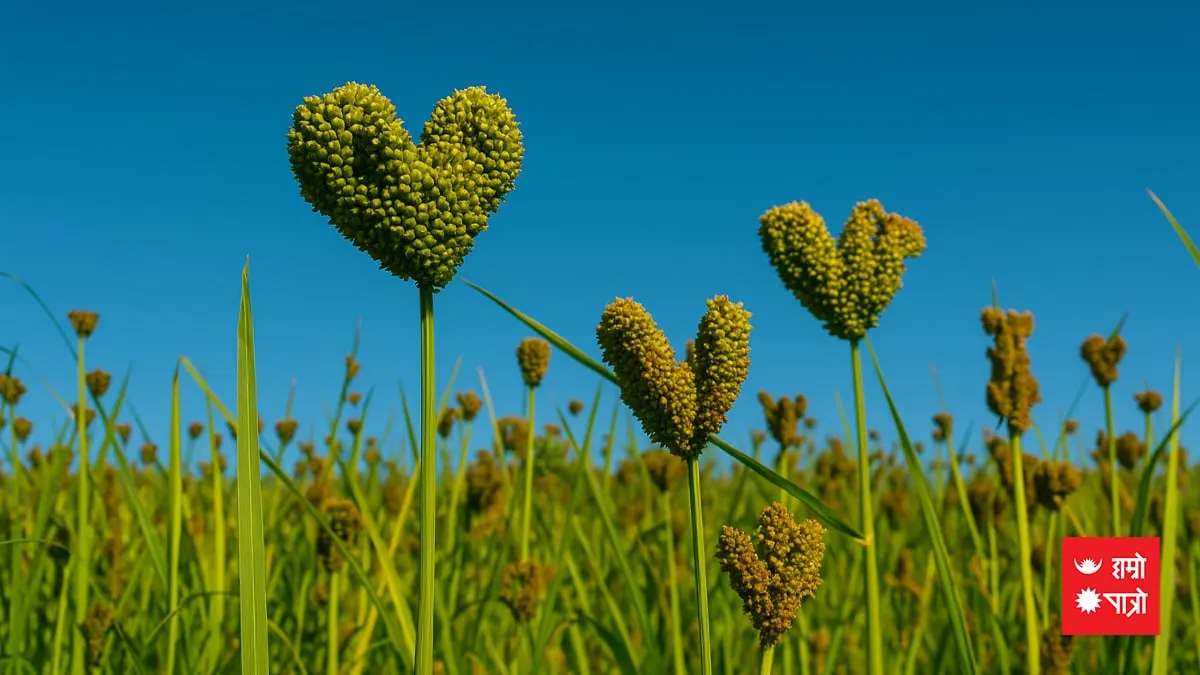
Kodo (finger millet) is one of our traditional, healthy, and nutrient-rich grains, whose production has been steadily declining in recent years. Considering this fact, the government has decided to officially recognize a “National Kodo Day” for its preservation, promotion, and value addition. From now onwards, every year on Shrawan 16 (around the end of July), this day will be officially celebrated as National Kodo Day, as decided by the recently concluded Cabinet meeting.
In Nepal and the hilly regions of India, this grain is cultivated as a staple crop. Since it can be grown easily at altitudes up to 1,800 meters above sea level, it is very popular in the hill regions.
Kodo contains abundant essential nutrients such as calcium, iron, and phosphorus, which are vital for the human body. It helps improve the digestive system and aids in controlling diabetes. Kodo is also used as animal feed. Sprouted kodo is used to make nutritious beverages, which are beneficial for everyone—from children to pregnant women and adults.
In Sikkim, too, “kodo” and its delicacies are widely popular. Traditional beverages like chhyang or jaand are made from it, while its flour is used to prepare bread and dhido (a traditional porridge-like dish).
Declaring Shrawan 16 as National Kodo Day is not just a decision; it is also a mark of respect for our traditional agricultural system, healthy lifestyle, and indigenous products. Such a day is expected to raise public interest in kodo cultivation, inspire farmers, and significantly highlight Nepal’s cultural uniqueness.
Gorakhkali Puja
गोरखकाली पूजा
Exclusive audio
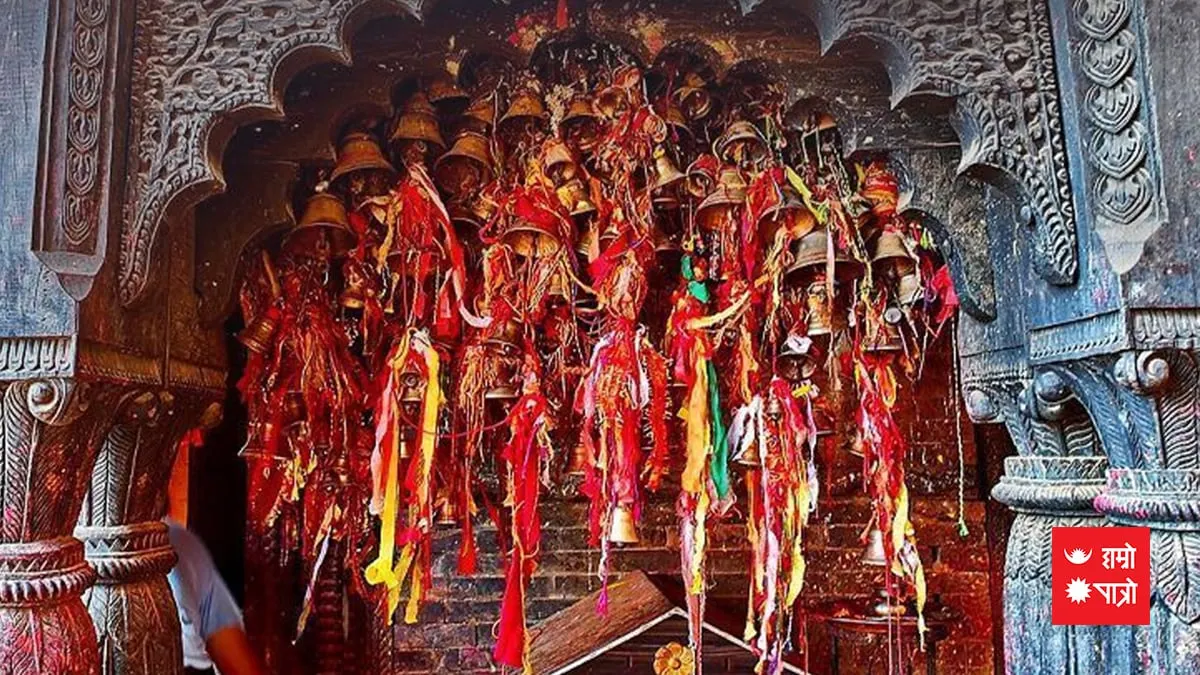
Baba Gorakh and Gorakhkali vagwati are very important in Nepali history. The meeting between Prithvi Narayan Shah and Baba Gorakh, the vomit that fell on the feet of Prithvi Narayan Shah and the auspiciousness given by Baba Gorakh to Prithvi Narayan Shah that there will be victory wherever he bows is the reason for the energy and strength of Nepal's unification.The glory of Gorakhnath Baba, a unique devotee of Baba Machindranath, is special in the Sanatan community of Nepal, India and all over the world.
Gorkha, the district of origin of Shah dynasty kings adjacent to the name of Baba Gorakh, and Gorakhkali temple have special importance in the former royal family of Nepal. It should be remembered that in the history of Baba Gorakh, the Gorakh palace and dynasty as well as the Gorakh temple in Pashupati's mrigasthali forest and Baba's 15-year meditation there are also connected.
It has been a tradition for hundreds of years to bring Jamara to Kathmandu on Phulpati day in this Gorakhkali temple. In the post-republic years, such customs have not been given much attention, although the importance of Baba Gorakh and Gorakhkali Devi in the protection of Nepalese land has been incomparable Nepali people need more blessings of Baba Gorakh and Gorakhkali Devi to protect cows.
Gorakh Sandesh (Message)
Gorakh message
Guru Gorakhnath says - "The journey of the temples and shrines is Suno Yatra" meaning the pilgrimage of the temples etc. are spiritually meaningless, equal to zero, soulless – unless we are able to spread love to every being in this cosmos.
देवल जात्रा सुंनि जात्रा, तीरथ जात्रा पाणीं ।
अतीत जात्रा सुफल जात्रा, बोलै अमृत वाणी
Yes, the role of temples is very important in terms of religion and culture, but if there is a pilgrimage but there is no faith, there is no emotion and there is no devotion, then what is the use of just doing a "deval pilgrimage"? Do not worship people who worship idols! Run to temple but can't make the house a temple! Worshiping the deity of the temple but unable to awaken divinity in himself! Offering fruit, offerings, etc. to the deity made of stone in a small area and complex, but not accepting that the divinity resides in every human, animal and bird! And unable to serve! Seeing such religious pretentiousness, Guru Gorakhnath made a sharp satire in Khadi language (Prakrit language, folk language, rural language). Glory be to Baba Gorakhnath and Gorakhkali Bhagwati forever.
This day is considered especially sacred and energetic. Worshiping Shakti (power) on the day of Ashtami yields significant benefits. On Bhaumashtami, there is a tradition of worshiping and offering devotion to Goddess Gorakhkali. At the Gorakhkali temple in Gorkha, devotees gather in significant numbers today for special worship. Bhaumashtami Vrat also involves the worship of Mars (Mangal) and the performance of rituals for planetary peace.Followers of Sanatan Dharma observe and commemorate every festival in their unique ways.
Upcomming Events
-
27Aashadha
-
28AashadhaPradosh Vrata tomorrow
-
29AashadhaBhanu Jayanti 2 days remaning
-
31AashadhaWorld Youth Skill Day 4 days remaning
-
1ShrawanSaune Shankranti/Luto Falne Din/Dakshinaayan Arambha 6 days remaning
-
5ShrawanSurya Pooja 10 days remaning
-
6ShrawanBudhastami Vrata/Gorakhkali Puja 11 days remaning
-
9ShrawanHarishayani Ekadashi Vrata/Chaturmaas Vrata Aarambha 14 days remaning
-
10ShrawanPradosh Vrata 15 days remaning
-
12ShrawanWorld Hepatitis Day 17 days remaning
-
13ShrawanGuru Purnima Vrata/Vyas Jayanti/World Tiger Day 18 days remaning
-
14Shrawan
-
15ShrawanKhir Khane Din 20 days remaning
-
16ShrawanWorld BreastFeeding Week 21 days remaning
-
18ShrawanVitak Katha Prarambha 23 days remaning
-
21ShrawanGorakhkali Puja 26 days remaning
-
23ShrawanNational Soil Conservation Day 28 days remaning
-
24Shrawan
-
25ShrawanSom Pradosh Vrata 30 days remaning
-
26ShrawanGathāṃmugaḥ Caḥhre 31 days remaning
-
27ShrawanInternational Youth Day 32 days remaning
-
28ShrawanGunla Parwa Arambha/World Calligraphy Day 33 days remaning
-
30ShrawanVaraha Jayanti 35 days remaning
-
1BhadraNag Panchami Barta/Tharu Guriya Parwa/Singh Sankranti 37 days remaning
-
2BhadraKalki Jayanti 38 days remaning
-
3BhadraTulasidas Jayanti/National Information Day/World Photography Day 39 days remaning
-
4BhadraGorakhkali Puja 40 days remaning
-
7BhadraPutrada Ekadashi Vrata 43 days remaning
-
9BhadraPradosh Vrata 45 days remaning
-
12Bhadra
-
13BhadraGaijatra/International Day Against Nuclear Tests 49 days remaning
-
14Bhadra
-
15BhadraNational Library Day 51 days remaning
-
16BhadraMangal Chauthi Vrata 52 days remaning
-
18BhadraGaura Saptami 54 days remaning
-
19BhadraShree Krishna Janmashtami/Gaura Parva/Gorakhkali Puja/Durwashtami 55 days remaning
-
20Bhadra
-
22BhadraAja Ekadashi Vrata/Nijamati Sewa Diwas 58 days remaning
-
23Bhadra
-
25BhadraWorld Suicide Prevention Day 61 days remaning
Jyotish
-
Jyotish Damodar Poudelनेपाल संस्कृत विश्व बिद्यालय�...
-
Jyotish Pandit Mukunda Nepalज्योतिष पण्डित मुकुन्द नेपाल�...
-
Jyotish Smarika Acharyaबाल्मीकि बिद्यापिठ बाट ज्योत�...
-
Jyotish Vaman Sapkotaशिक्षा - व्याकरणाचार्य, पौरोही...
-
Jyotish Narayan Prasad Bhandariज्योतिषका उप-प्राध्यापक (lecturer of A...
-
Jyotish Mukunda Sharmaस्वाध्याय, सत्सङ्ग र सदाचारजस�...
-
Jyotish Purushottam Ghimireनेपाल संस्कृत विश्वविद्यालय, �...
-
Jyotish Khageshwor Subediगुरुकुल पद्दति बाट ज्योतिषीय �...
-
Jyotish Dharmendra Krishna Paudelशास्त्री धर्मेन्द्र कृष्ण पौ�...
-
Jyotish Mohan Ghimireसम्पुर्णानन्द संस्कृत विश्वव...
-
Jyotish Narayan Prasad Gautamगुरुकुल शिक्षा प्रणालीबाट ज्�...
-
Jyotish Krishna Prasad Bhandariउपप्राध्यापक (Asst. professor of Sanskrit) नेपा�...
-
Jyotish Hamro patroनेपाल संस्कृत विश्वविद्यालय �...
-
Jyotish Damodar Kaushikज्योतिष र व्याकरण विषयमा आचार�...
-
Jyotish Amrit Paudelवाराणसीकै सम्पूर्णानन्द संस्...
-
Jyotish Dipendra Khatiwadaसम्पुर्णानन्द संस्कृत बिश्वब...
-
Jyotish Deepak Prasad Kafleसम्पूर्णानन्द संस्कृत विश्वव...
-
Jyotish Kuresh Pandey११ वर्षको अनुभवसहित विभिन्न ध�...
-
Jyotish Ghanashyam Pokharelनेपाल संस्कृत विश्वविद्यालयब...
call
Hororscope
मेष (चु, चे, चो, ला, लि, लु, ले, लो, अ) नोकरी वा पेशामा तर्कशक्तिले अरुलाई प्रभावित पार्न सक्नुहुनेछ। महत्वकांक्षी योजना पूरा गर्नको लागि संघर्ष गर्नुपर्ला। स्वास्थ्यमा चिसोबाट जोगिनुहोस्। आजको शुभ रंग हरियो हो भने शुभ अंक ६ रहेको छ।




Liked by: