
Upcomming Events
-
1Shrawan
-
5ShrawanSurya Pooja 5 days remaning
-
6ShrawanBudhastami Vrata/Gorakhkali Puja 6 days remaning
-
9ShrawanHarishayani Ekadashi Vrata/Chaturmaas Vrata Aarambha 9 days remaning
-
10ShrawanPradosh Vrata 10 days remaning
-
12ShrawanWorld Hepatitis Day 12 days remaning
-
13ShrawanGuru Purnima Vrata/Vyas Jayanti/World Tiger Day 13 days remaning
-
14Shrawan
-
15ShrawanKhir Khane Din 15 days remaning
-
16ShrawanWorld BreastFeeding Week 16 days remaning
-
18ShrawanVitak Katha Prarambha 18 days remaning
-
21ShrawanGorakhkali Puja 21 days remaning
-
23ShrawanNational Soil Conservation Day 23 days remaning
-
24Shrawan
-
25ShrawanSom Pradosh Vrata 25 days remaning
-
26ShrawanGathāṃmugaḥ Caḥhre 26 days remaning
-
27ShrawanInternational Youth Day 27 days remaning
-
28ShrawanGunla Parwa Arambha/World Calligraphy Day 28 days remaning
-
30ShrawanVaraha Jayanti 30 days remaning
-
1BhadraNag Panchami Barta/Tharu Guriya Parwa/Singh Sankranti 32 days remaning
-
2BhadraKalki Jayanti 33 days remaning
-
3BhadraTulasidas Jayanti/National Information Day/World Photography Day 34 days remaning
-
4BhadraGorakhkali Puja 35 days remaning
-
7BhadraPutrada Ekadashi Vrata 38 days remaning
-
9BhadraPradosh Vrata 40 days remaning
-
12Bhadra
-
13BhadraGaijatra/International Day Against Nuclear Tests 44 days remaning
-
14Bhadra
-
15BhadraNational Library Day 46 days remaning
-
16BhadraMangal Chauthi Vrata 47 days remaning
-
18BhadraGaura Saptami 49 days remaning
-
19BhadraShree Krishna Janmashtami/Gaura Parva/Gorakhkali Puja/Durwashtami 50 days remaning
-
20Bhadra
-
22BhadraAja Ekadashi Vrata/Nijamati Sewa Diwas 53 days remaning
-
23Bhadra
-
25BhadraWorld Suicide Prevention Day 56 days remaning
-
26BhadraKunse Aunshi/Father's Day/Motiram Bhatta Janma Jayanti 57 days remaning
-
27BhadraWorld First Aid Day/Gunla Parwa Samapti 58 days remaning
-
28BhadraDar Khane Din 59 days remaning
-
29Bhadra
Jyotish
-
Jyotish Vaman Sapkotaशिक्षा - व्याकरणाचार्य, पौरोही...
-
Jyotish Amrit Paudelवाराणसीकै सम्पूर्णानन्द संस्...
-
Jyotish Krishna Prasad Bhandariउपप्राध्यापक (Asst. professor of Sanskrit) नेपा�...
-
Jyotish Smarika Acharyaबाल्मीकि बिद्यापिठ बाट ज्योत�...
-
Jyotish Purushottam Ghimireनेपाल संस्कृत विश्वविद्यालय, �...
-
 Jyotish Mukunda Sharmaस्वाध्याय, सत्सङ्ग र सदाचारजस�...
-
Jyotish Pandit Mukunda Nepalज्योतिष पण्डित मुकुन्द नेपाल�...
-
Jyotish Narayan Prasad Gautamगुरुकुल शिक्षा प्रणालीबाट ज्�...
-
 Jyotish Dharmendra Krishna Paudelशास्त्री धर्मेन्द्र कृष्ण पौ�...
-
 Jyotish Damodar Poudelनेपाल संस्कृत विश्व बिद्यालय�...
-
Jyotish Damodar Kaushikज्योतिष र व्याकरण विषयमा आचार�...
-
Jyotish Khageshwor Subediगुरुकुल पद्दति बाट ज्योतिषीय �...
-
Jyotish Hamro patroनेपाल संस्कृत विश्वविद्यालय �...
-
Jyotish Mohan Ghimireसम्पुर्णानन्द संस्कृत विश्वव...
-
 Jyotish Kuresh Pandey११ वर्षको अनुभवसहित विभिन्न ध�...
-
Jyotish Narayan Prasad Bhandariज्योतिषका उप-प्राध्यापक (lecturer of A...
-
Jyotish Deepak Prasad Kafleसम्पूर्णानन्द संस्कृत विश्वव...
-
Jyotish Dipendra Khatiwadaसम्पुर्णानन्द संस्कृत बिश्वब...
-
Jyotish Ghanashyam Pokharelनेपाल संस्कृत विश्वविद्यालयब...


call
Hororscope
 Mesh
Mesh Brish
Brish Mithun
 Karkat
  Singha
  Kanya
Kanya Tula
Tula Brischik
 Dhanu
Dhanu  Makar
Makar  Kumbha
 Meen
Meen
मेष (चु, चे, चो, ला, लि, लु, ले, लो, अ) बिहानदेखि नै नयाँ जिम्मेवारी थपिन सक्छ। काममा देखाएको लगनले सकारात्मक परिणाम दिनेछ। आफन्तको सुझावले महत्त्वपूर्ण निर्णय लिन मद्दत पुग्न सक्छ। दिनको अन्त्यतिर मन प्रसन्न बनाउने समाचार प्राप्त हुन सक्छ। आजको शुभ रंग रातो हो भने शुभ अंक ७ रहेको छ।



2083 Bhadra
14
Sunday
Aug 30, 2026
भदौ कृष्ण द्वितीया
Ropai Jatra/International Day of the Victims of Enforced Disappearances
भदौ कृष्ण द्वितीया

MY NOTE


रोपाईं जात्रा
Exclusive audio
Background of Ropai Jatra
In our agricultural country, monsoon is of great importance every year. In some places, there was enough rain and in some places, the challenges of planting increased due to lack of rain. But, somewhere slow, somewhere fast, somewhere easy, somewhere facing many difficulties, paddy is being planted. On the occasion of the completion of "Ropai", the biggest festival of the farmers of our agricultural country, "Ropai Jatra" is celebrated in different parts of the country today.
Especially the Newa: Ropainjatra started by the community has become a celebration for everyone across the country. In Nepali, "Ropai Jatra" is called "Sinajya Jatra".
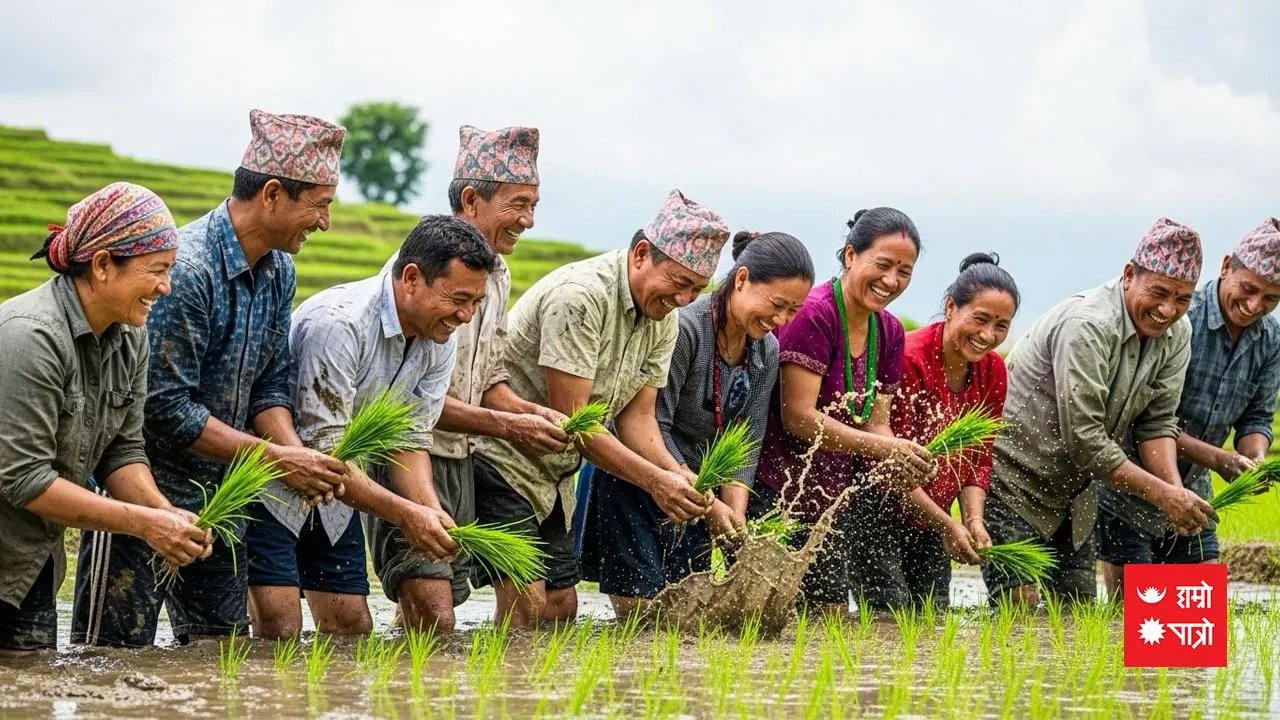
Celabration of Ropai Jatra
Celebrated all over the country to forget the fatigue and stress of transplanting, this festival is celebrated in different ways in different places. In the Karnali region, this procession is called "Chopai". In the local language, "chopai" means "chopnu" or dipping something into water. Today, the people of all the cities and villages are playing various instruments in their villages and dancing for planting paddy. Farmers gather and play the instruments, sing and dance the songs of sowing and reach the paddy field to have fun.
Today, there is a belief in many places that the real owner of a paddy field should be thrown in the mud of his field, this is a humorous belief which makes the owner close with his soil and roots. Special wishes to all the brothers and sisters of this agricultural country. May the joy of today increase in the years to come.
International Day of the Victims of Enforced Disappearances
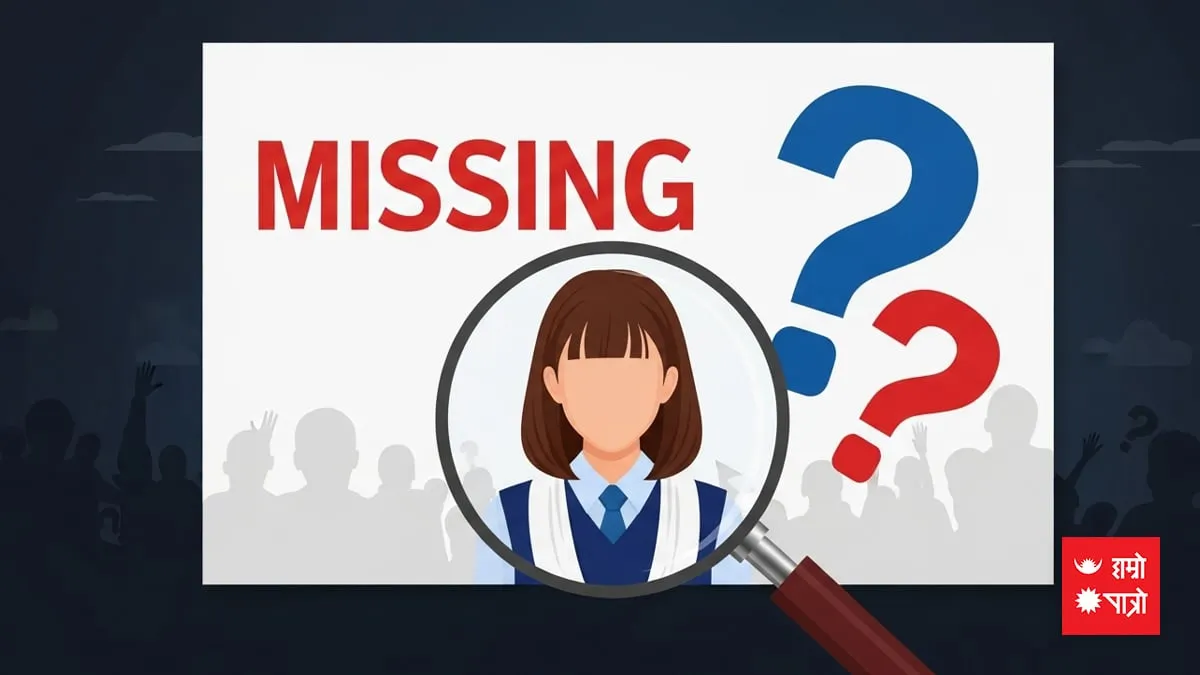
International Day of the Victims of Enforced Disappearances
Exclusive audio
Background:
On December 21, 2010, the United Nations General Assembly officially proclaimed August 30 as the International Day of the Victims of Enforced Disappearances. The UN General Assembly on December 21 expressed its deep concern about the increase in enforced or involuntary disappearances across the world.
More than a human rights violation against an individual
Enforced disappearance has frequently been used as a strategy to spread terror within society. The feeling of insecurity generated by this practice is not limited to the close relatives of the disappeared but also affects their communities and society as a whole.
Enforced disappearance has become a global problem and is not restricted to a specific region of the world. Once largely the product of military dictatorships, enforced disappearances can nowadays be perpetrated in complex situations of internal conflict, especially as a means of political repression of opponents. Of particular concern are:
the ongoing harassment of human rights defenders, relatives of victims, witnesses, and legal counsel dealing with cases of enforced disappearance the use by States of counter-terrorist activities as an excuse for breaching their obligations; and the still widespread impunity for enforced disappearance.
Special attention must also be paid to specific groups of especially vulnerable people, like children and people with disabilities. Hundreds of thousands of people have vanished during conflicts or periods of repression in at least 85 countries around the world.
Transitional justice in Nepal
In Nepal, during the period of conflict, there is a disturbing fact that thousands of individuals have been rendered missing over the course of a decade or so. However, it is incredibly saddening that even after nearly two decades of the cessation of the conflict, the establishment of justice seems almost unattainable. Internationally, human rights organizations such as Amnesty International, the Office of the United Nations High Commissioner for Human Rights, and the International Committee of the Red Cross have been conducting global campaigns to pressure the government and insurgents alike, shedding light on individuals missing due to armed conflict in Nepal.
In Nepal, during the past decade-long armed conflict between the security forces and the Maoists, a significant number of citizens suffered grievously. Even after the conclusion of the prolonged period of armed conflict and the subsequent peace agreement, many individuals who had suffered harm from both the state and the insurgent side have not yet been able to establish contact. The commissions established for transitional justice also progressed sluggishly and were influenced by political interests, resulting in delayed justice for those affected. There is a pressing need to ensure a renewed distribution of justice for the victims of violence and injustice in Nepal.
The Commission of Inquiry on Enforced Disappearances has recorded that during the course of the armed conflict, a total of 31,014 individuals have been reported as missing, who were victims of enforced disappearance, from both the state and the former insurgent side. The wait for justice is shared by all, and heartfelt best wishes for a meaningful resolution.
Upcomming Events
-
1Shrawan
-
5ShrawanSurya Pooja 5 days remaning
-
6ShrawanBudhastami Vrata/Gorakhkali Puja 6 days remaning
-
9ShrawanHarishayani Ekadashi Vrata/Chaturmaas Vrata Aarambha 9 days remaning
-
10ShrawanPradosh Vrata 10 days remaning
-
12ShrawanWorld Hepatitis Day 12 days remaning
-
13ShrawanGuru Purnima Vrata/Vyas Jayanti/World Tiger Day 13 days remaning
-
14Shrawan
-
15ShrawanKhir Khane Din 15 days remaning
-
16ShrawanWorld BreastFeeding Week 16 days remaning
-
18ShrawanVitak Katha Prarambha 18 days remaning
-
21ShrawanGorakhkali Puja 21 days remaning
-
23ShrawanNational Soil Conservation Day 23 days remaning
-
24Shrawan
-
25ShrawanSom Pradosh Vrata 25 days remaning
-
26ShrawanGathāṃmugaḥ Caḥhre 26 days remaning
-
27ShrawanInternational Youth Day 27 days remaning
-
28ShrawanGunla Parwa Arambha/World Calligraphy Day 28 days remaning
-
30ShrawanVaraha Jayanti 30 days remaning
-
1BhadraNag Panchami Barta/Tharu Guriya Parwa/Singh Sankranti 32 days remaning
-
2BhadraKalki Jayanti 33 days remaning
-
3BhadraTulasidas Jayanti/National Information Day/World Photography Day 34 days remaning
-
4BhadraGorakhkali Puja 35 days remaning
-
7BhadraPutrada Ekadashi Vrata 38 days remaning
-
9BhadraPradosh Vrata 40 days remaning
-
12Bhadra
-
13BhadraGaijatra/International Day Against Nuclear Tests 44 days remaning
-
14Bhadra
-
15BhadraNational Library Day 46 days remaning
-
16BhadraMangal Chauthi Vrata 47 days remaning
-
18BhadraGaura Saptami 49 days remaning
-
19BhadraShree Krishna Janmashtami/Gaura Parva/Gorakhkali Puja/Durwashtami 50 days remaning
-
20Bhadra
-
22BhadraAja Ekadashi Vrata/Nijamati Sewa Diwas 53 days remaning
-
23Bhadra
-
25BhadraWorld Suicide Prevention Day 56 days remaning
-
26BhadraKunse Aunshi/Father's Day/Motiram Bhatta Janma Jayanti 57 days remaning
-
27BhadraWorld First Aid Day/Gunla Parwa Samapti 58 days remaning
-
28BhadraDar Khane Din 59 days remaning
-
29Bhadra
Jyotish
-
Jyotish Vaman Sapkotaशिक्षा - व्याकरणाचार्य, पौरोही...
-
Jyotish Amrit Paudelवाराणसीकै सम्पूर्णानन्द संस्...
-
Jyotish Krishna Prasad Bhandariउपप्राध्यापक (Asst. professor of Sanskrit) नेपा�...
-
Jyotish Smarika Acharyaबाल्मीकि बिद्यापिठ बाट ज्योत�...
-
Jyotish Purushottam Ghimireनेपाल संस्कृत विश्वविद्यालय, �...
-
Jyotish Mukunda Sharmaस्वाध्याय, सत्सङ्ग र सदाचारजस�...
-
Jyotish Pandit Mukunda Nepalज्योतिष पण्डित मुकुन्द नेपाल�...
-
Jyotish Narayan Prasad Gautamगुरुकुल शिक्षा प्रणालीबाट ज्�...
-
Jyotish Dharmendra Krishna Paudelशास्त्री धर्मेन्द्र कृष्ण पौ�...
-
Jyotish Damodar Poudelनेपाल संस्कृत विश्व बिद्यालय�...
-
Jyotish Damodar Kaushikज्योतिष र व्याकरण विषयमा आचार�...
-
Jyotish Khageshwor Subediगुरुकुल पद्दति बाट ज्योतिषीय �...
-
Jyotish Hamro patroनेपाल संस्कृत विश्वविद्यालय �...
-
Jyotish Mohan Ghimireसम्पुर्णानन्द संस्कृत विश्वव...
-
Jyotish Kuresh Pandey११ वर्षको अनुभवसहित विभिन्न ध�...
-
Jyotish Narayan Prasad Bhandariज्योतिषका उप-प्राध्यापक (lecturer of A...
-
Jyotish Deepak Prasad Kafleसम्पूर्णानन्द संस्कृत विश्वव...
-
Jyotish Dipendra Khatiwadaसम्पुर्णानन्द संस्कृत बिश्वब...
-
Jyotish Ghanashyam Pokharelनेपाल संस्कृत विश्वविद्यालयब...
call
Hororscope
मेष (चु, चे, चो, ला, लि, लु, ले, लो, अ) बिहानदेखि नै नयाँ जिम्मेवारी थपिन सक्छ। काममा देखाएको लगनले सकारात्मक परिणाम दिनेछ। आफन्तको सुझावले महत्त्वपूर्ण निर्णय लिन मद्दत पुग्न सक्छ। दिनको अन्त्यतिर मन प्रसन्न बनाउने समाचार प्राप्त हुन सक्छ। आजको शुभ रंग रातो हो भने शुभ अंक ७ रहेको छ।




Liked by: